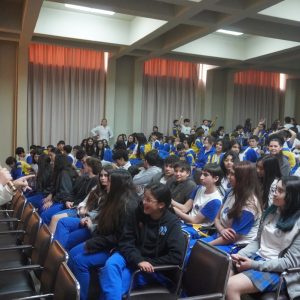
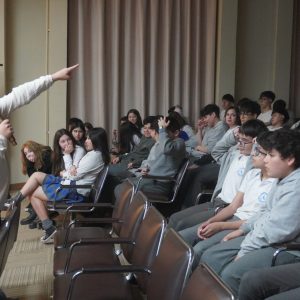
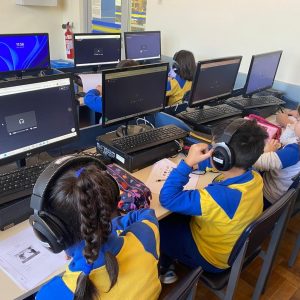
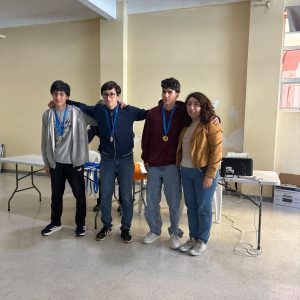
As part of the last World Book Day 2026 celebrations, a group of students from the Book Club participated in a meaningful literary activity that invited them to connect with their readings in a personal and reflective way.
Organised by Mr. Marcos Riveros and Ms. Patricia Álvarez, this initiative brought together the English Immersion Program and the Spanish Language Department, creating a shared space where literature became a form of dialogue between students and the texts they are currently exploring.
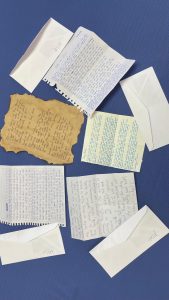
The activity invited students to write a personal letter addressed to a literary character, an author, or any figure connected to a text, allowing them to engage with literature from their own perspective. The format encouraged students to ask questions, express emotions, challenge ideas, or reflect on key moments, transforming reading into a more personal and meaningful experience.
While this activity was carried out across different classes in the school, this particular experience focused on students from the Book Club, who used this opportunity to interact with the works they are currently reading, including Frankenstein, Sense and Sensibility, Pride and Prejudice, Little Women, City of Glass from The Mortal Instruments, Lord of the Flies, and The Hunger Games.
Students were free to write in English or Spanish, allowing language to become a tool for authentic expression. Through their letters, they explored different perspectives and demonstrated the diverse ways in which literature can be interpreted and experienced.
A central element of the activity was the mailbox placed in the school’s central hall, where students deposited their letters. This symbolic gesture transformed the space into a point of connection between readers and the literary worlds they engage with, giving visibility to their thoughts and interpretations.
More than a writing exercise, this experience allowed students to approach literature as a living space, one where dialogue, emotion, and reflection take shape through their own voice. At the same time, it reinforces the value of interdisciplinary work, where both language areas contribute to creating meaningful learning experiences.
Through initiatives like this, literature moves beyond the page, becoming a personal encounter that invites students to think, feel, and express themselves in authentic and creative ways.