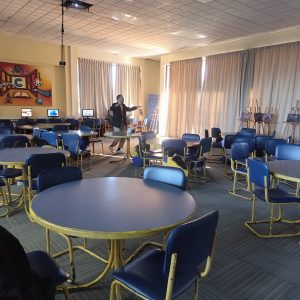
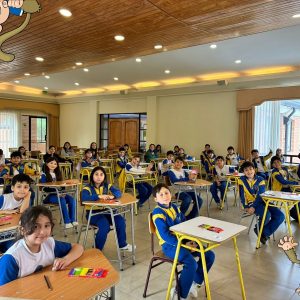
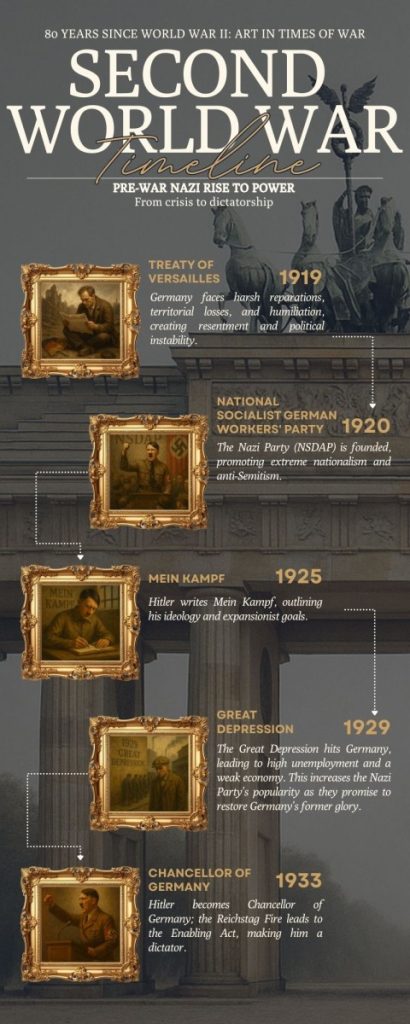
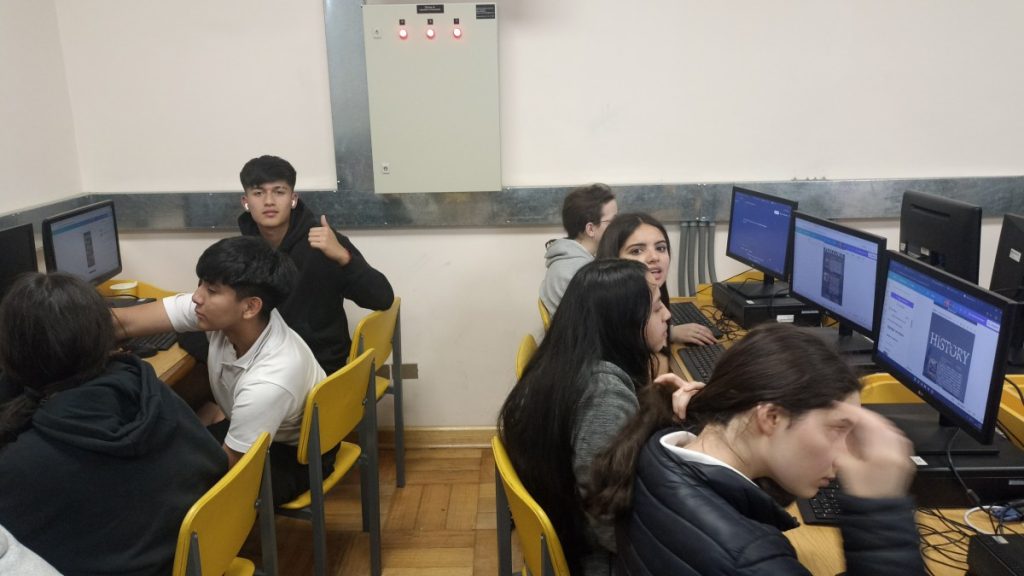
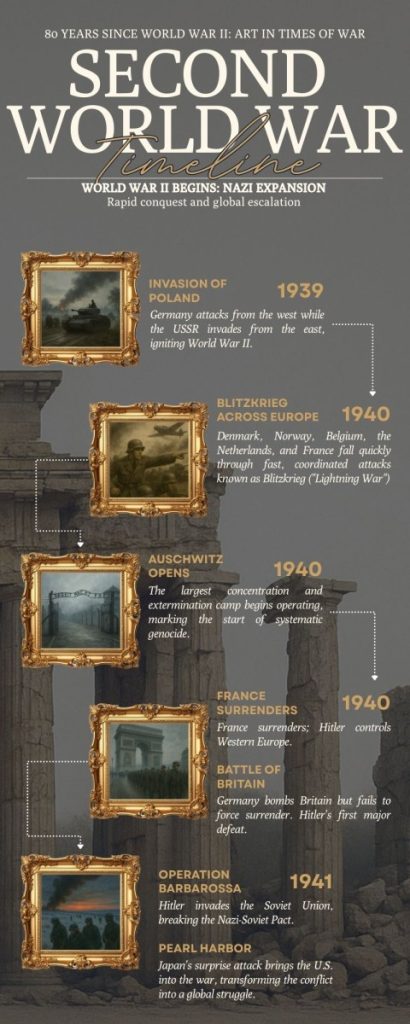
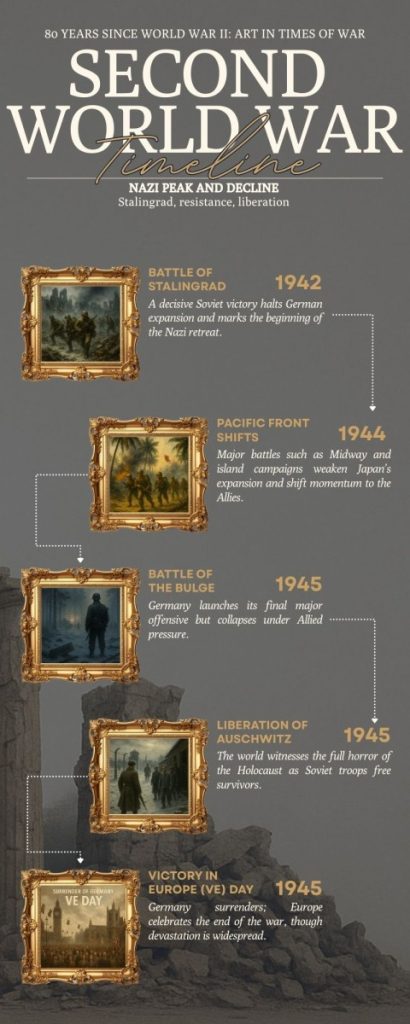
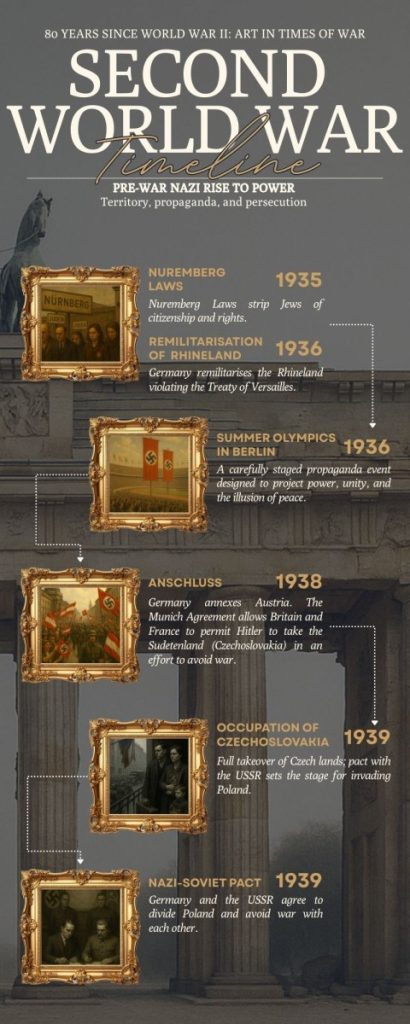
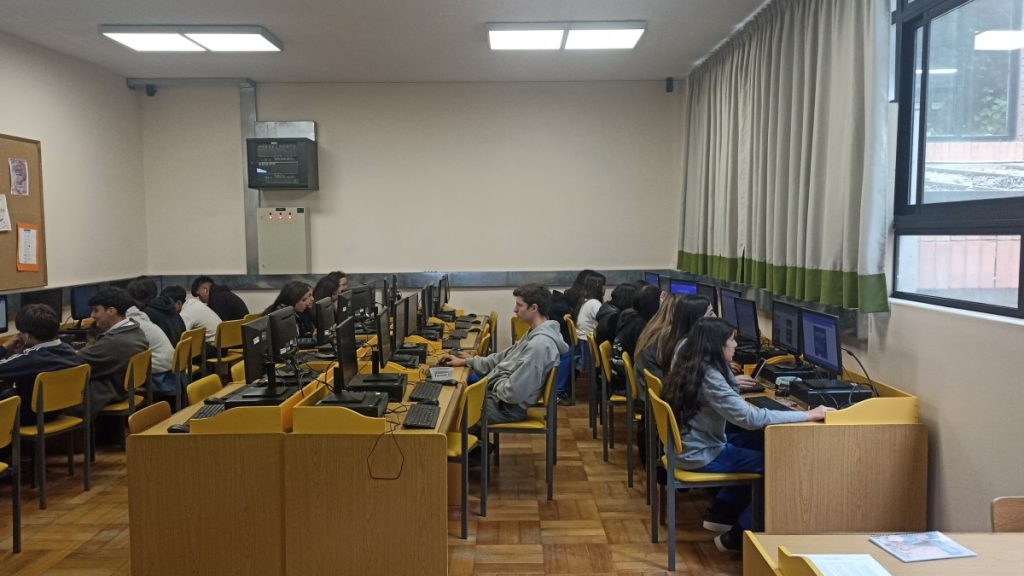
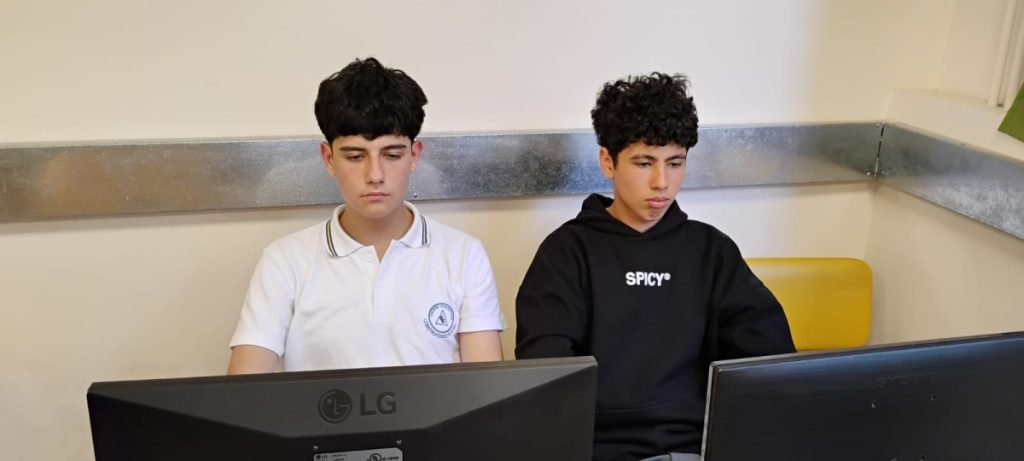
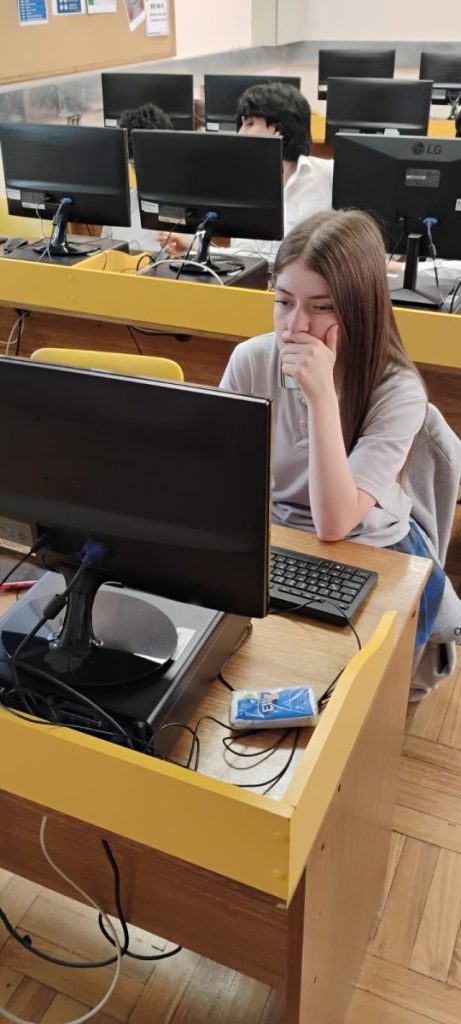
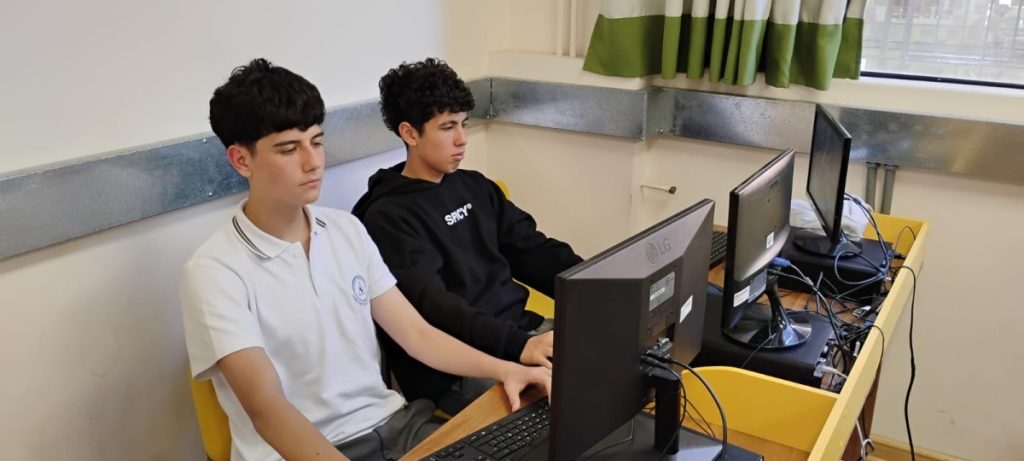
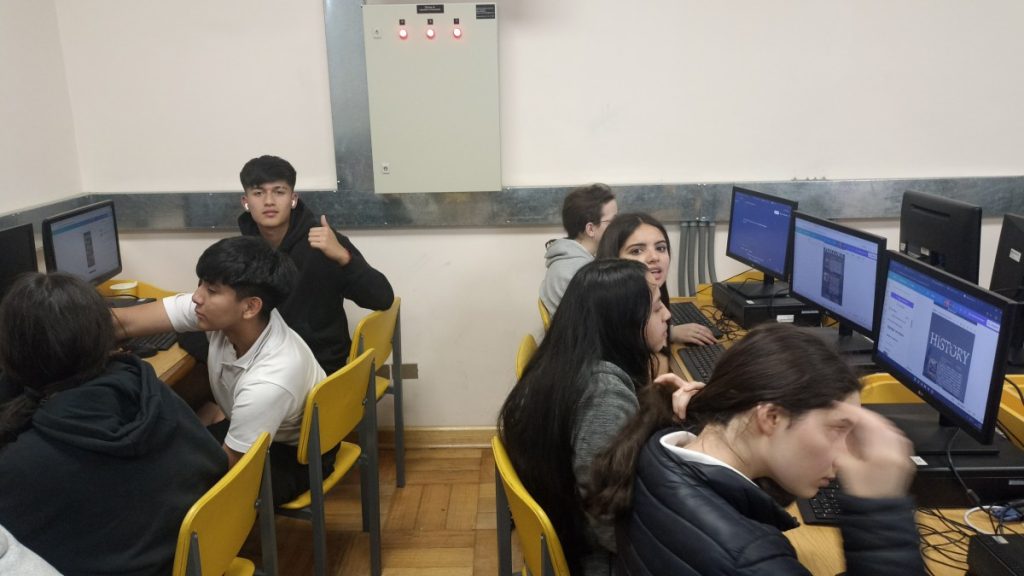
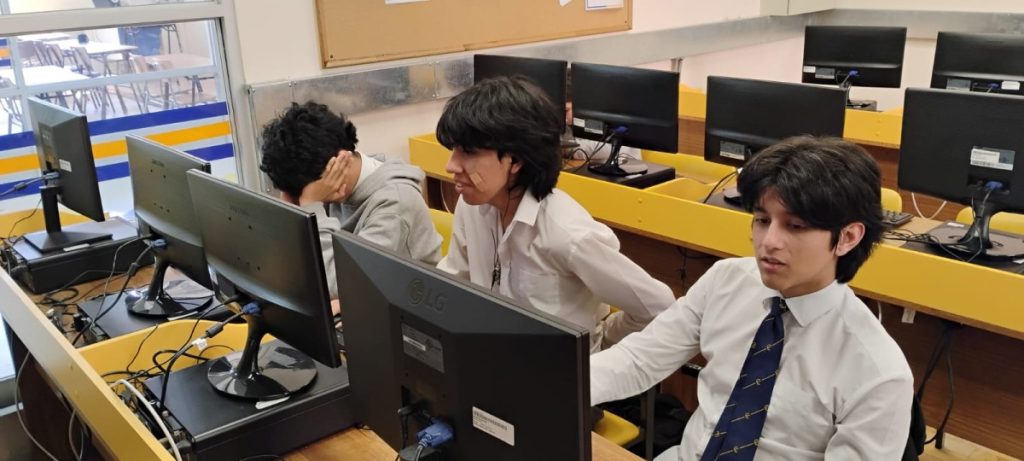
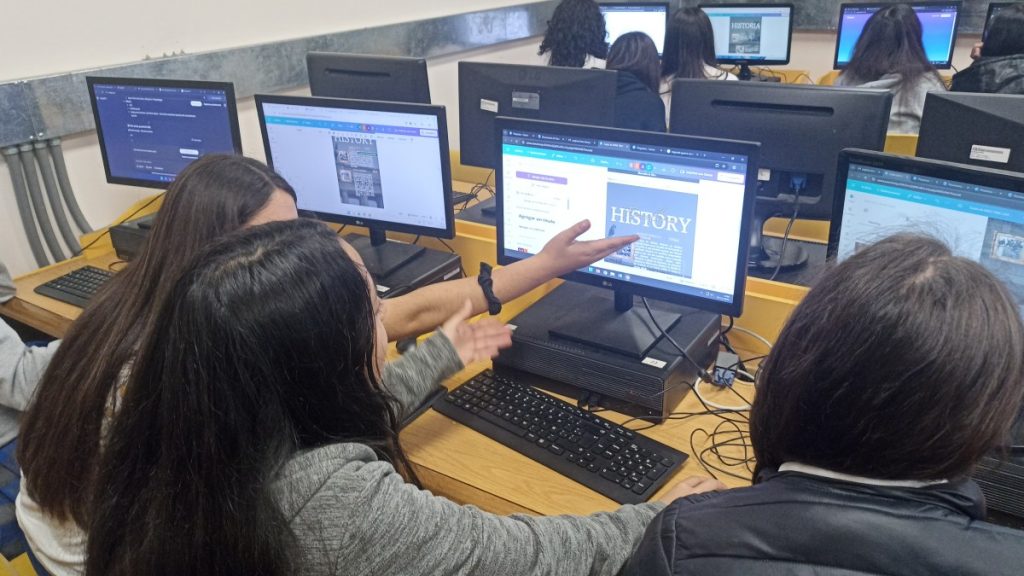
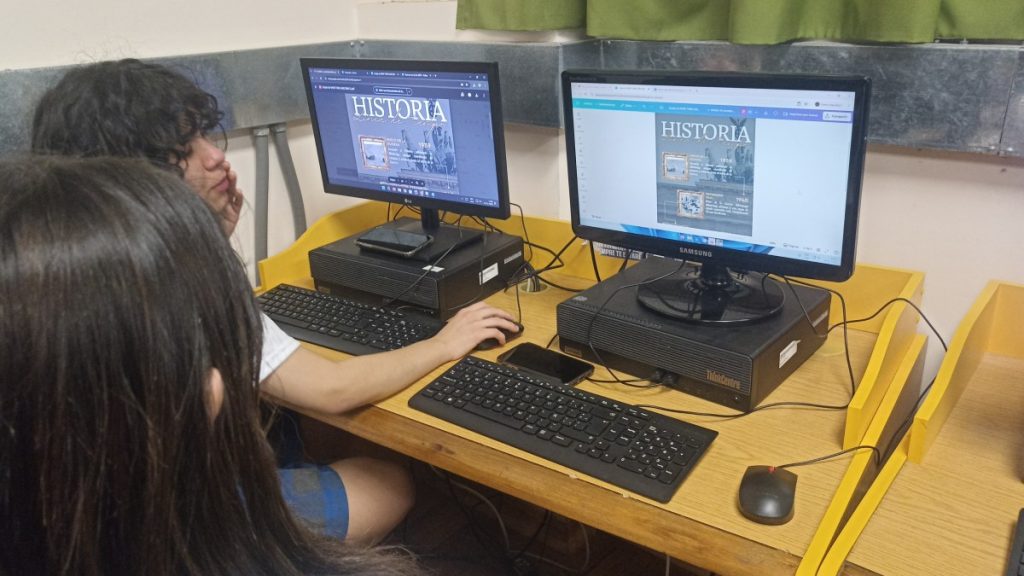
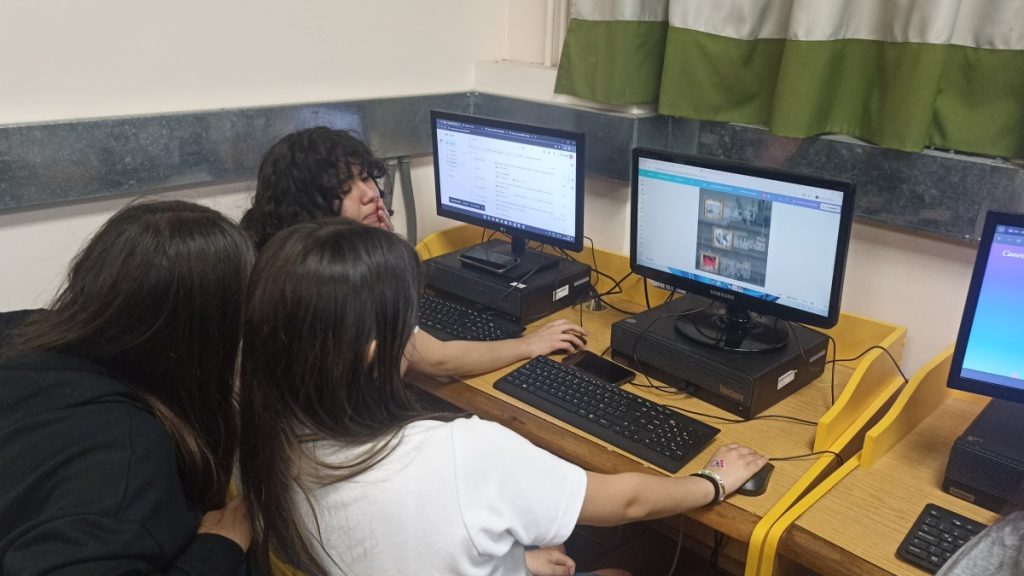
As part of the interdisciplinary project “80 Years Since World War II: Art in Times of War,” students from 2nd grade Secondary B and C began an in-depth historical and geographical exploration guided by Mr. Víctor Saavedra. Over a four-week period, the classroom and computer lab became a collaborative research space where students analyzed the origins, development, and global consequences of World War II through the creation of a digital timeline.
The activity invited students to investigate the conflict from its early roots in the interwar period (1919–1938) to its final moments in 1945. Working with reliable sources, fact-checking tools, and structured analysis, students examined not only the major battles and political turning points, but also the broader global impact of the war.
Using Canva and other digital platforms, students designed visually rich timelines that combined chronological accuracy with geographic interpretation. Each product included images, maps, quotes, and concise analytical notes that explained causes, consequences, and cross-regional connections. Students also integrated basic cartographic elements to display geopolitical routes, spheres of influence, and links between European events and American responses, transforming their work into a multidimensional tool for understanding the magnitude and complexity of the conflict.
Aligned with the school’s innovative approach, students made responsible and ethical use of Artificial Intelligence throughout the activity. AI was used only as a support resource — helping gather preliminary information, refine written explanations, and check linguistic clarity. All historical content was subsequently verified with trusted academic and digital sources, reinforcing critical thinking, media literacy, and the importance of verifying information in the digital era. This experience strengthened the authentic use of English as part of the English Immersion Plan, positioning the language as a tool for research, interpretation, and communication.
The timeline activity also connected naturally with other subjects participating in the ABP COEMCO initiative. Students linked their findings with Visual Arts, recognizing art as a witness to war, and with the Aesthetics Elective, where themes of memory, time, and cultural representation are central.
The quality of the work produced reflects the commitment and curiosity of our students, who approached the task with seriousness and creativity.