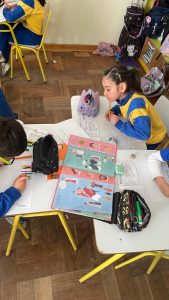
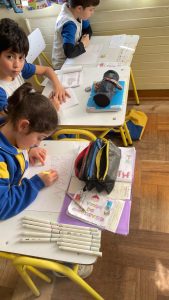
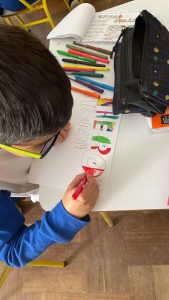
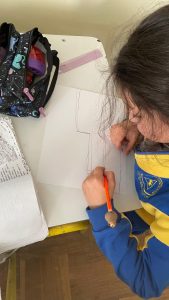
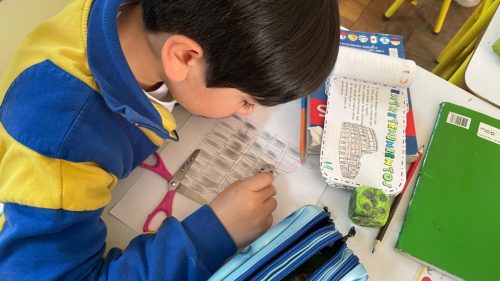
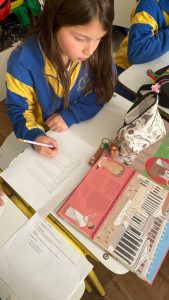
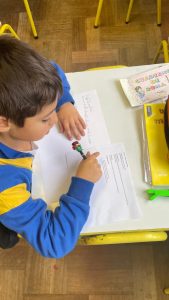
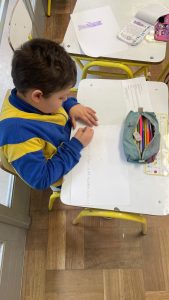
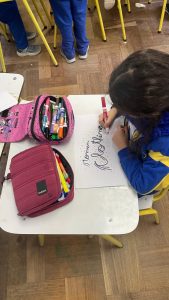
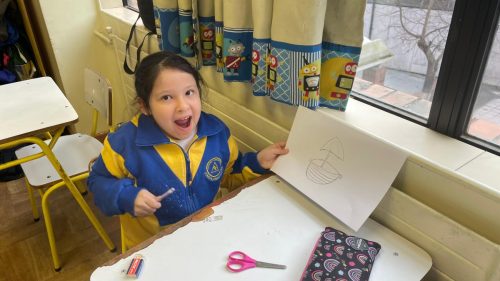
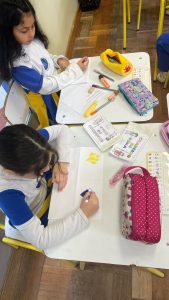
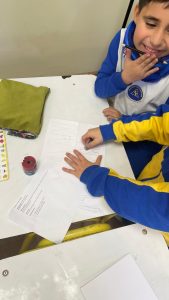
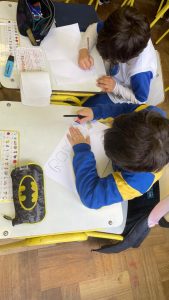
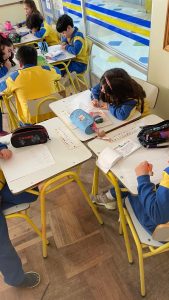
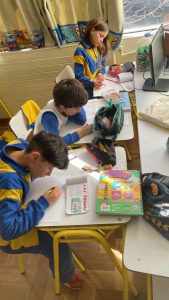
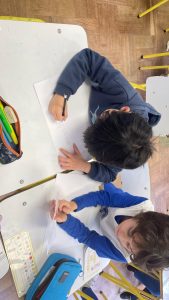
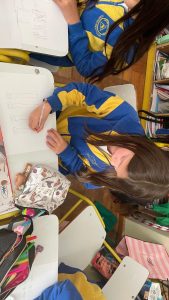
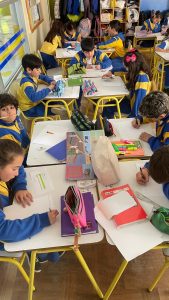
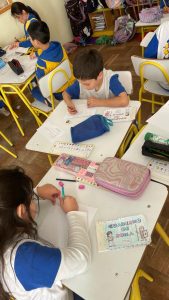
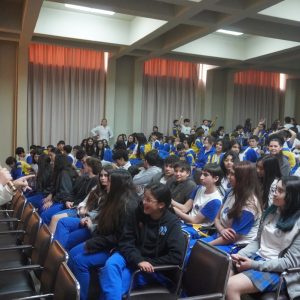
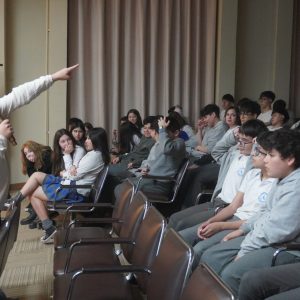
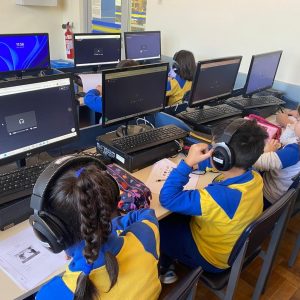
As part of our commitment to offering cross-curricular learning and enriching our English Immersion Program, students from 3rd grade elementary classes A, B, and C recently embarked on an engaging Social Studies and English project exploring the fascinating world of Ancient Rome. This initiative was led by Ms. María Luisa Díaz in Social Studies and Mr. Marcos Riveros from the English Immersion Program.
The English Immersion approach promotes authentic, meaningful communication by integrating English into different subjects and contexts. In this project, students not only deepened their understanding of Ancient Rome but also did so in English, connecting language learning with cultural content. This approach also celebrates a multicultural perspective, allowing students to explore a civilisation from another time and place while reflecting on its influence on the world today.
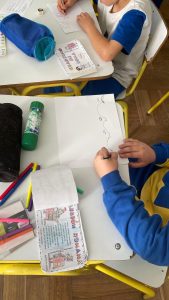
The project is divided into two parts, and this article focuses on the first stage: the collaborative creation of a large educational panel that will soon be displayed in the school’s main hall. The aim was to research, summarise, draw, and write about key aspects of Ancient Rome, combining historical learning with artistic creativity — and, thanks to the English Immersion component, doing so entirely in English.
Three Main Topics
Students worked in groups to explore and present information under three thematic pillars:
● Roman Religion & Gods — including figures such as Jupiter, Juno, Mars, Venus, and more.
● Daily Life in Ancient Rome — covering clothing, food, education, entertainment, and more.
● Roman Architecture — highlighting the Colosseum, aqueducts, roads, arches, and engineering marvels.
Each group was assigned a subtopic and created a section of the panel complete with a short description, a brief story to bring the topic to life, symbols or illustrations, and guiding questions for the audience. This ensured the panel would not only inform but also invite interaction and curiosity from viewers.
The activity encouraged teamwork, creativity, and practical use of English. Students discussed and analysed historical information, designed colourful illustrations, and practised summarising ideas clearly for public display. By working in English, they expanded their vocabulary, improved their fluency, and gained confidence in sharing complex ideas with an audience.
What’s Next?
This was only the first part of the project. The second stage will be a storytelling session about the creation of the city of Rome — an interactive activity designed to bring history to life in a different way. Stay tuned — we’ll be sharing more about this second part very soon!