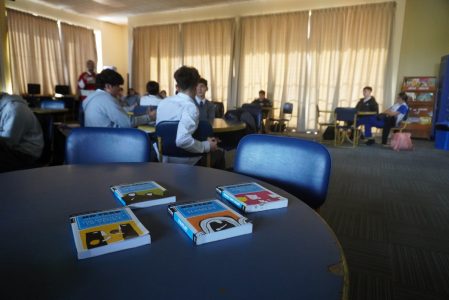
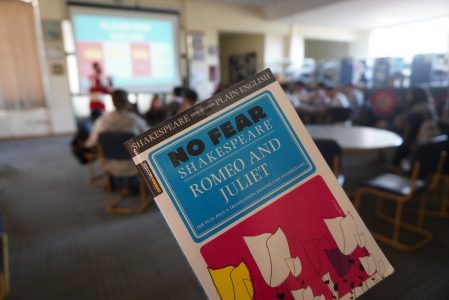
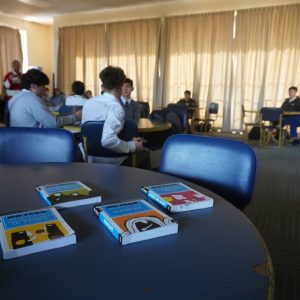
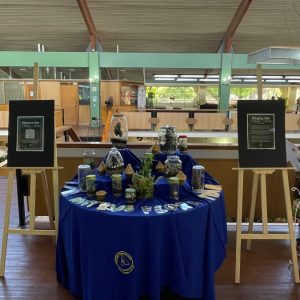
Bringing our series of Shakespeare-inspired learning experiences to a close, students from 1st Grade D, Senior Area, became the final group to participate in a special session connected to their reading of Romeo and Juliet. The activity invited students to discover the fascinating world behind William Shakespeare’s works, exploring the language, history, and cultural traditions of the Elizabethan era.
The session took place during the Spanish Language class, guided by Ms. Carolina Garcia, and was developed in collaboration with the English Immersion Plan, coordinated by Mr. Marcos Riveros. This interdisciplinary approach allowed students to connect their literary studies with historical and linguistic perspectives, enriching their understanding of Shakespeare and the world in which he lived.
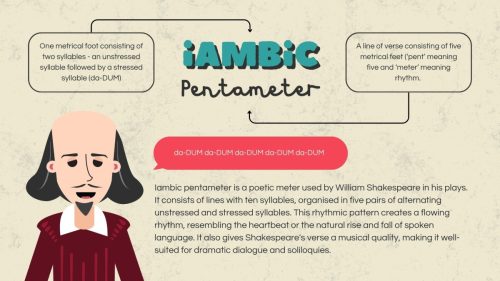
Throughout the experience, students explored different aspects of Shakespeare’s life, literary contributions, and lasting influence on the English language. One of the most engaging moments involved discovering the creativity of Shakespearean language, particularly through the use of insults, dramatic expressions, and imaginative phrases. These examples encouraged students to reflect on how language can communicate emotions, shape characters, and bring conflicts to life.
Students also examined Shakespeare’s remarkable influence on modern English, discovering how words and expressions associated with his works continue to be recognised and used today. This exploration helped them appreciate literature as something that extends beyond the pages of a book, influencing the way people communicate and express themselves across generations.
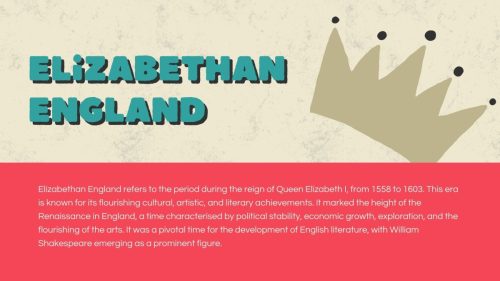
Another important part of the session focused on the Elizabethan era, providing students with historical and cultural context to better understand the society in which Romeo and Juliet was written. By exploring the traditions, beliefs, and social expectations of Shakespeare’s time, students gained a broader perspective on the themes and conflicts presented in the play.
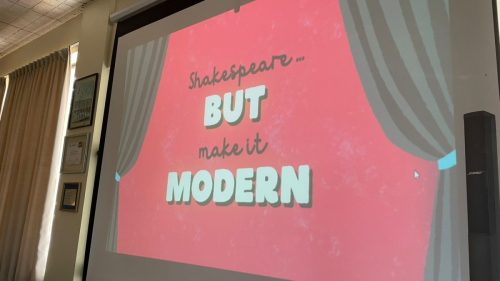
To connect these discoveries with their own experiences, students also worked on adapting selected excerpts from Shakespeare’s writing into modern Spanish. This creative exercise challenged them to interpret the original meaning while finding contemporary ways to communicate the characters’ emotions and intentions, demonstrating how classical literature can remain meaningful and accessible to new generations.
With the participation of 1st Grade D, we conclude this series of interdisciplinary sessions developed across our 1st Grade classes. Each group had the opportunity to approach Shakespeare from a perspective that connected literature with language, history, and culture, complementing their reading of Romeo and Juliet through new ideas and discussions.
This collaboration between the Spanish Language subject and the English Immersion Plan highlights the value of creating learning experiences that bring different disciplines together. It also reminds us that understanding a literary work involves much more than following its story: it means exploring the people, ideas, and historical circumstances that shaped it.
We would like to congratulate all our 1st Grade students for their participation, curiosity, and willingness to explore Shakespeare’s world throughout this series. Through experiences like these, we continue to encourage students to discover how literature connects the past with the present and opens new ways of understanding language and culture.