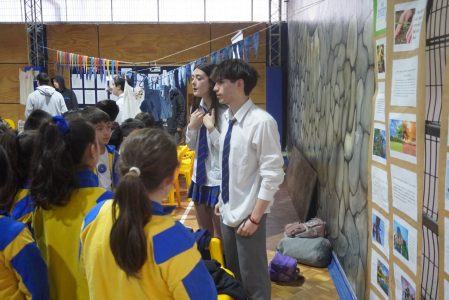
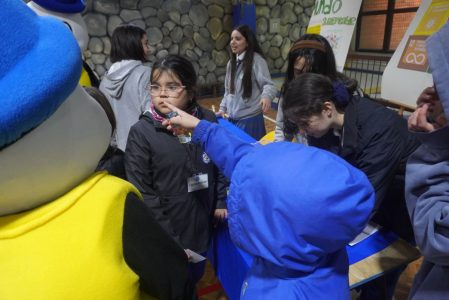
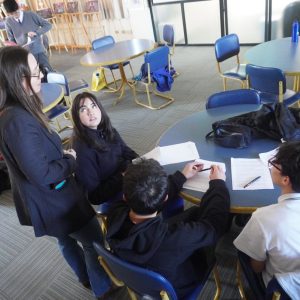
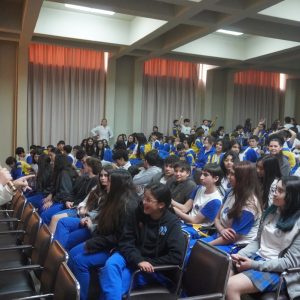
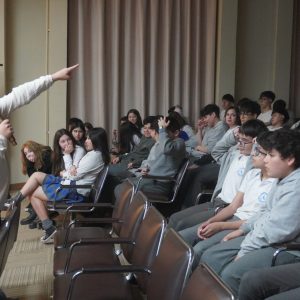
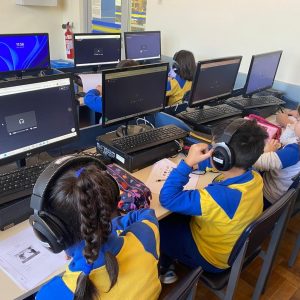
As part of the interviews conducted during Eco-Fair II, developed within the framework of the COEMCO winning project “Sustainable School in Action: Eco-Fairs and Global Awareness through English,” students from the ICT Extracurricular Class documented different voices and projects that gave life to this new edition of the Sustainable Fair.
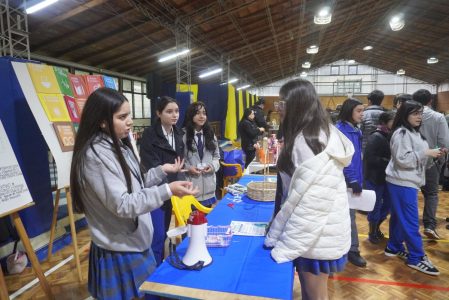
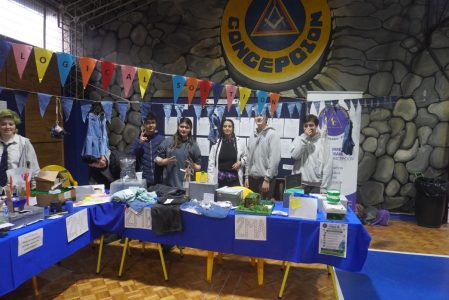
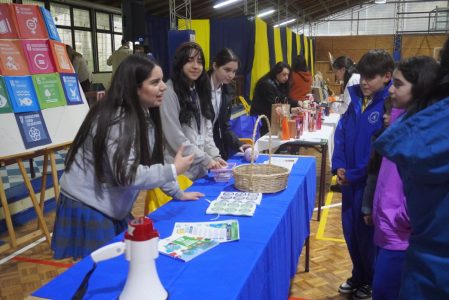
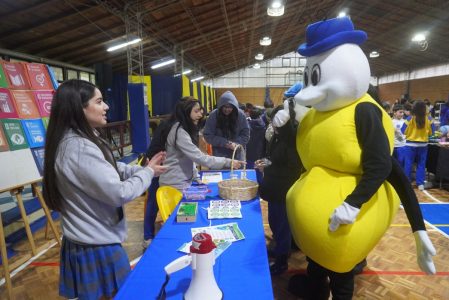
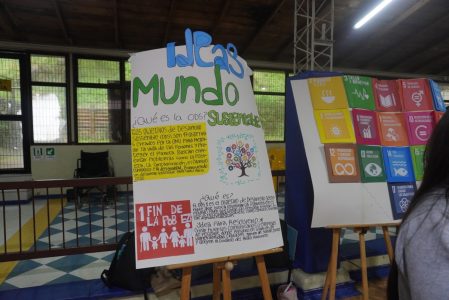
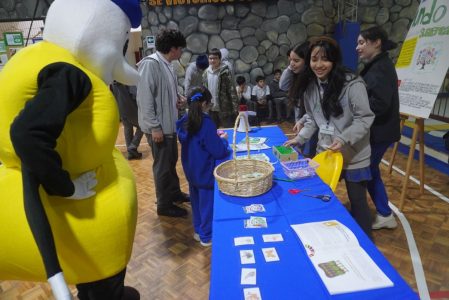
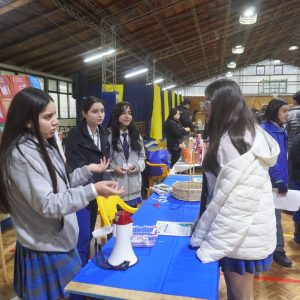
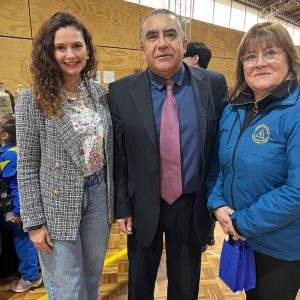
One of the interviews was held with Sigrid Portés, student from 3rd grade C Senior Area, who presented a project about the Sustainable Development Goals, together with her classmates Camila Fernández and Consuelo Navarro. Their stand introduced visitors to the importance of the SDGs and shared ideas connected to some of the major challenges they seek to address, such as poverty, hunger, inequality, climate change, energy, and the protection of animals and the environment.
During the conversation, Sigrid explained that presenting this topic to younger students and peers made the experience more meaningful. According to her reflection, when students learn about sustainability from other students, the message can feel closer, easier to understand, and more approachable. She also noticed that many visitors were curious and asked questions, showing that the fair became a space where students could learn, clarify doubts, and become more aware of global challenges through a familiar voice.
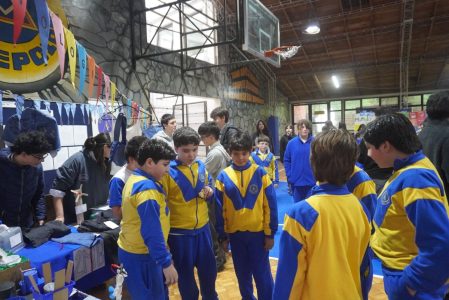
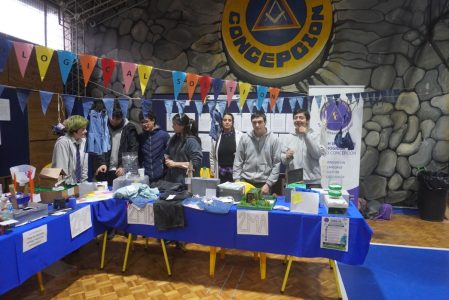
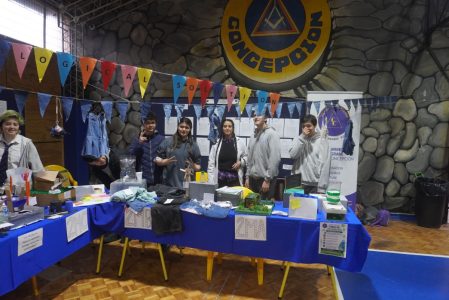
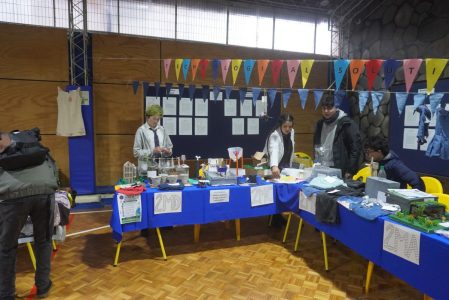
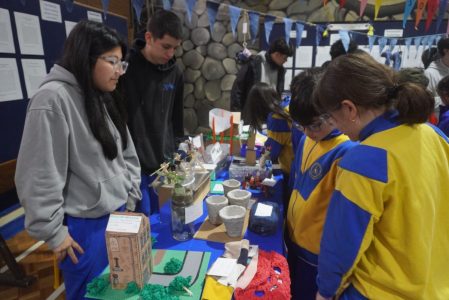
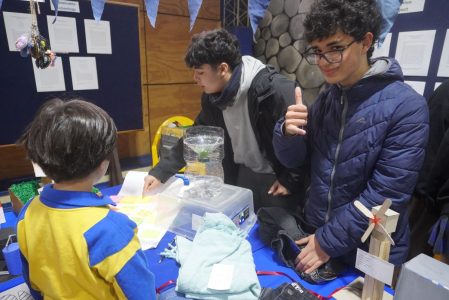
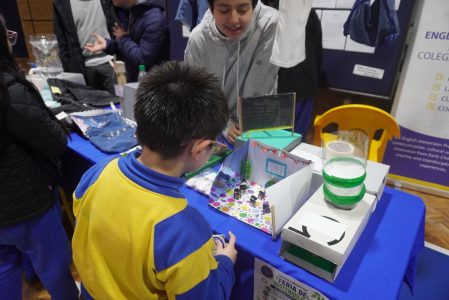
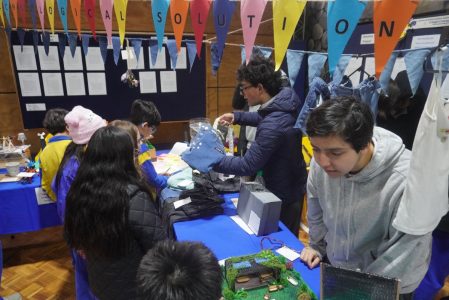
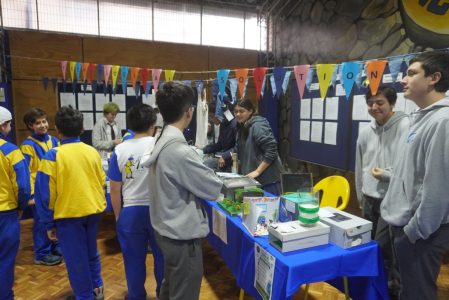
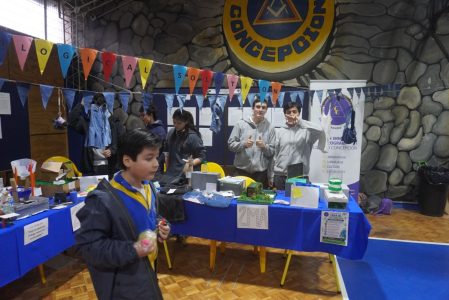
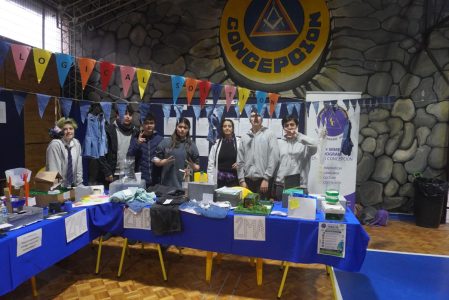
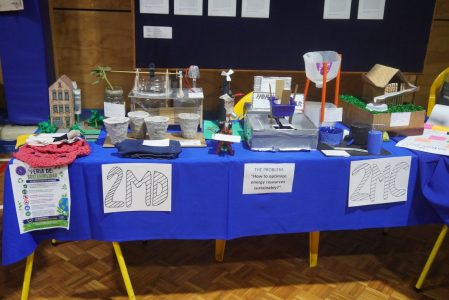
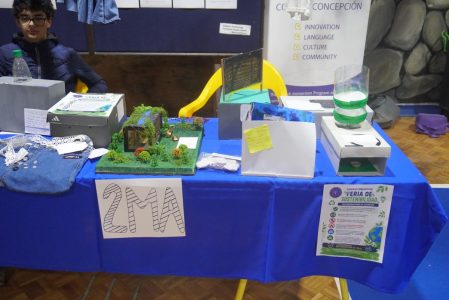
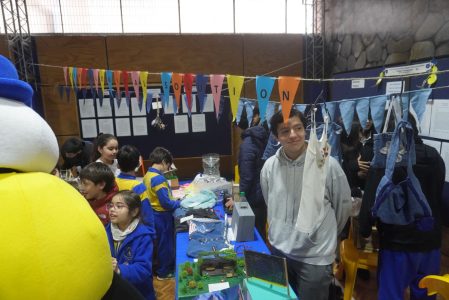
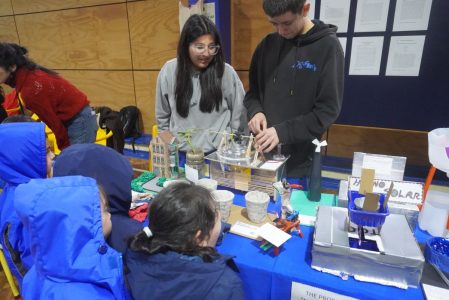
The article also includes the perspective of Ms. Liuska Astete, Technology teacher at Colegio Concepción, who participated in the fair with projects developed by students from 2nd grade Senior Area A, B, C and D. These projects were created in their Technology classes and focused on the question of how to optimise the use of energy resources in a sustainable way.
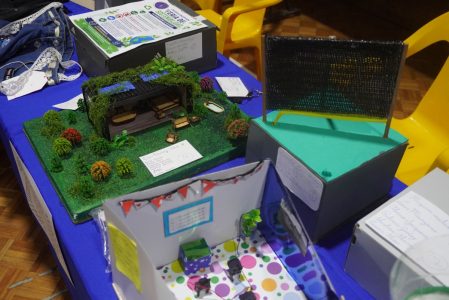
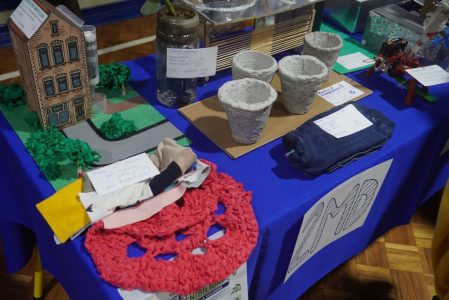
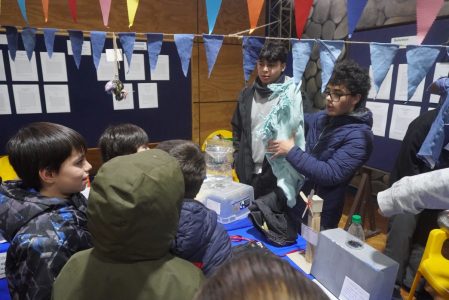
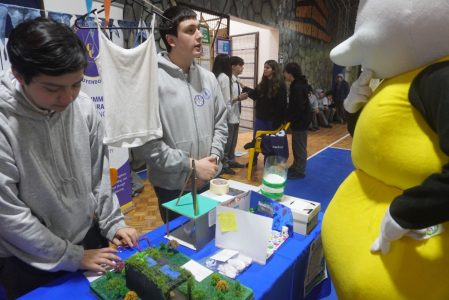
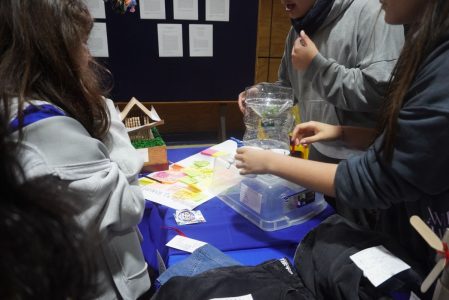
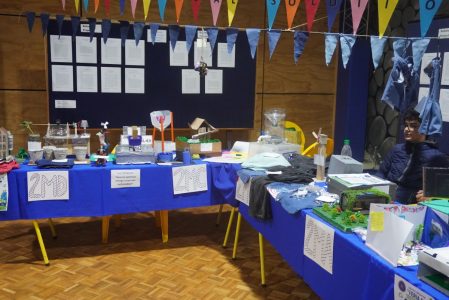
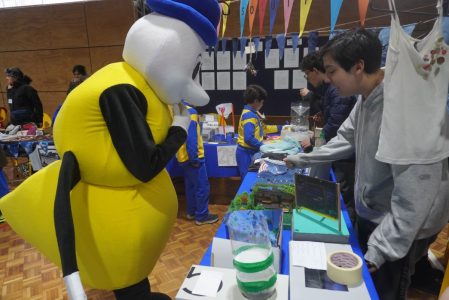
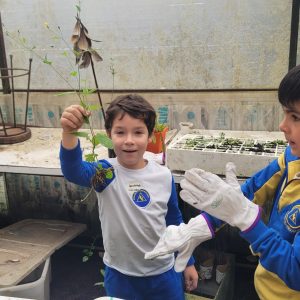
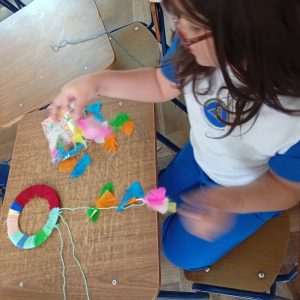
After researching different environmental and technological challenges, students designed a variety of solutions, including rainwater collectors, fog collectors, recycled paper, seed paper, solar ovens, seawater desalination models, windmills, and projects connected to the reuse of clothing as a response to the problem of fast fashion. Many of these prototypes were built using reused materials, reinforcing the idea that sustainability can also be present in the design and construction process.
An important element of these projects was their connection with the English Immersion Programme, led by Mr. Marcos Riveros. After developing their research and technological proposals, students wrote abstracts explaining their work, results, and reflections, which were later translated into English as part of the interdisciplinary collaboration. During the fair, the prototypes were displayed alongside their printed abstracts, allowing visitors to approach sustainability through technology, research, creativity, and English communication.
Ms. Astete also highlighted the value of seeing students as exhibitors. Beyond the final products, the fair allowed them to develop social and communication skills by explaining their projects, answering questions, and sharing the process behind their ideas. The stand also included an interactive section with post-it notes, where visitors could leave their impressions and opinions about the projects.
Together, these interviews showed two important dimensions of Eco-Fair II. On one hand, the SDG stand helped connect students with global challenges and the need for awareness. On the other hand, the Technology projects demonstrated how research, creativity, and reused materials can become concrete proposals for a more sustainable future.
Through this work, the ICT Team helped preserve the voices, ideas, and learning experiences that were part of the fair. These interviews remind us that sustainability becomes more powerful when students are not only visitors, but also presenters, researchers, creators, and communicators.
Article and interview by the ICT Team
Edited and enhanced with AI support