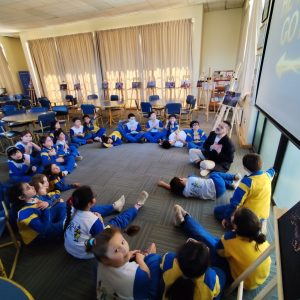
After a meaningful first term of reading, discussion, and literary exploration, our Book Club begins a new stage with a fresh selection of works that invite students to enter different worlds, voices, and ways of thinking. Organised as part of the English Immersion Plan and led by Mr. Marcos Riveros, this space continues to offer advanced English speakers the opportunity to engage with literature in a deeper and more personal way.
For this second term, the reading programme has been carefully organised according to the interests, English levels, and previous literary experiences of each group. The new selection includes Shakespeare’s Sonnets, The Gods Themselves by Isaac Asimov, City of Fallen Angels by Cassandra Clare, and Memoirs of a Geisha by Arthur Golden. Together, these works bring poetry, science fiction, urban fantasy, and historical fiction into the Book Club, opening new possibilities for analysis, reflection, and conversation in English.
This new stage also gives continuity to the spirit of the Book Club. Rather than following a single genre or historical period, students will move between Renaissance poetry, imagined futures, supernatural New York, and twentieth-century Japan. This variety allows each group to follow a reading path that connects with its own literary journey, while still sharing a common approach based on interpretation, discussion, critical thinking, and the meaningful use of English.
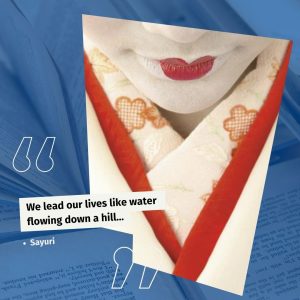
Each work offers a different way to enter literature. In The Gods Themselves, science fiction becomes a space to reflect on scientific responsibility, institutional resistance, communication between different forms of intelligence, and the danger of ignoring uncomfortable evidence. City of Fallen Angels continues a literary journey that some students have already begun through previous readings in The Mortal Instruments series, opening discussions around identity, secrecy, conflict, love, and free will. The study of Shakespeare’s Sonnets introduces students to a different kind of reading experience, where selected poems invite close attention to language, voice, rhythm, imagery, time, beauty, truth, desire, and mortality. Finally, Memoirs of a Geisha offers an extended exploration of memory, identity, artistic training, social expectations, war, and cultural transformation.
Through these readings, the Book Club continues to create a space where English is not only practised, but used to think, interpret, discuss, and connect ideas with confidence. Some texts ask students to look closely at poetic language; others invite them to question societies, ethical decisions, personal identity, or the way stories represent culture and history. In this way, literature becomes a meeting point between language, imagination, critical thinking, and personal interpretation.
As this second term begins, the Book Club continues its literary journey with new challenges and new perspectives. Through these carefully selected works, students will keep strengthening their reading skills, developing their own interpretations, and discovering how literature can help us understand different worlds, different voices, and ourselves.