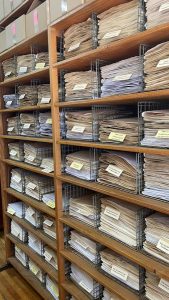
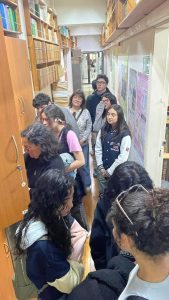
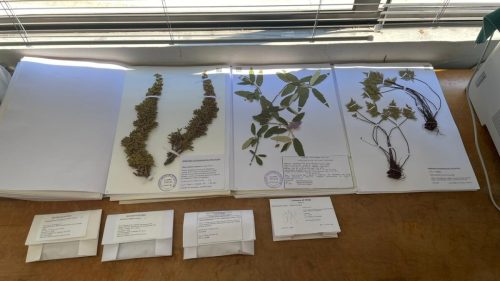
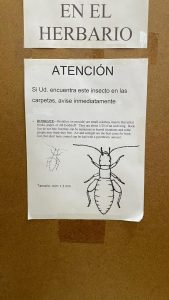
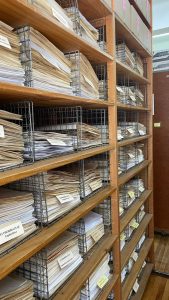
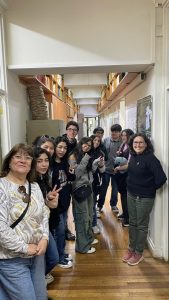
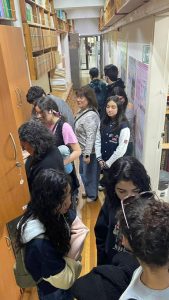
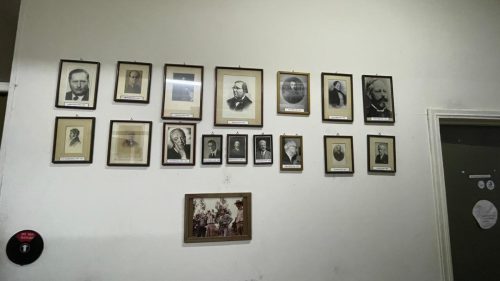
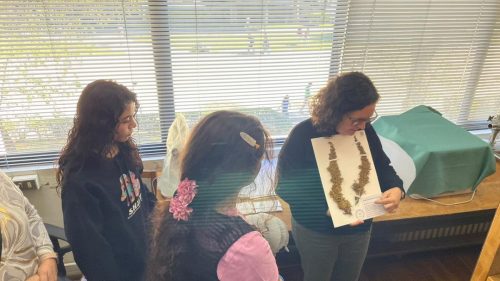
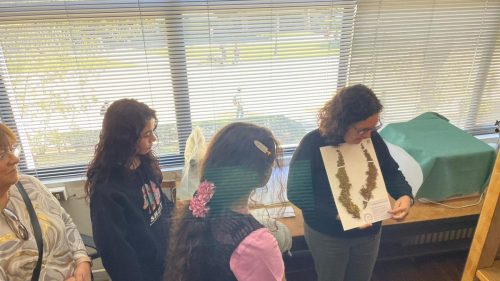
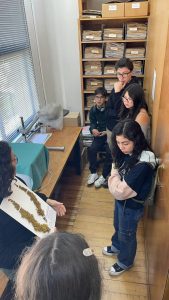
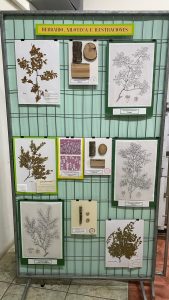
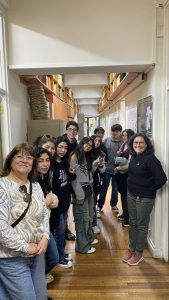
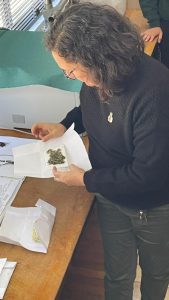
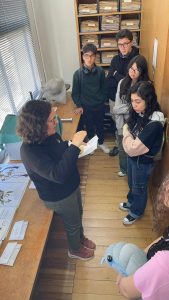
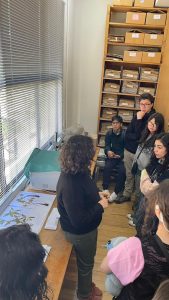
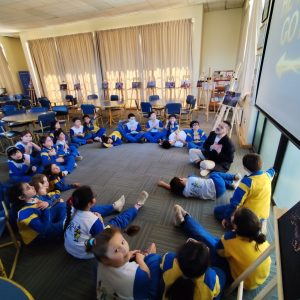
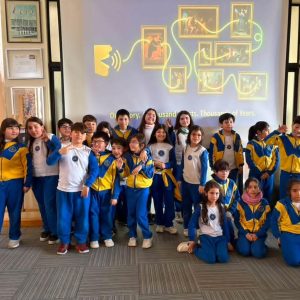
As part of the joint work developed by the Ecobrigade and the ICT Extracurricular Class, we visited the Herbarium of the University of Concepción, a learning experience that helped us connect our work in the school greenhouse with scientific observation, digital records, and the study of plant life.
This visit was connected to our current unit on Plant Cultivation and Propagation, where we have been learning how to use digital tools to record, organise, and communicate processes related to plant growth and care. In class, we have worked with photographs, written observations, digital logs, shared folders, and tools such as Drive, Docs, and Sheets to follow the development of different species.
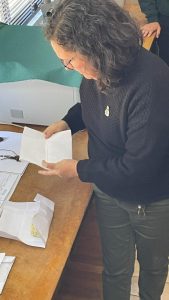
During the field trip, the visit was guided by Alicia Marticorena Garri, curator of the Herbarium and academic from the Faculty of Natural and Oceanographic Sciences at the University of Concepción. Through her guidance, we were able to learn more about how plants are studied, classified, preserved, and documented in a specialised space. The Herbarium of the University of Concepción, internationally known as CONC, belongs to the Department of Botany and is one of the most important botanical collections in Chile.
This information helped us understand that the work of observing and recording plants is not only useful in the classroom. It is also part of a larger scientific process that helps preserve knowledge about native flora and the natural heritage of our country.
The visit also allowed us to connect our learning with digital resources such as the Herbario Digital, a platform that provides access to digitised images and information from plant collections. This showed us how technology can support scientific knowledge, making information easier to organise, share, and study.
For our ICT Extracurricular Class, this experience helped us see that digital tools are not only for saving files, but also for communicating learning in a clear and responsible way. For the Ecobrigade, it strengthened the connection with environmental awareness, native flora, and the care of living species.
Through this visit, we learned outside the classroom by observing, asking questions, and connecting ideas. It reminded us that caring for plants also means learning how to observe them, document them, protect them, and share what we learn with others.
Article written by the ICT team; edited and enhanced with AI support