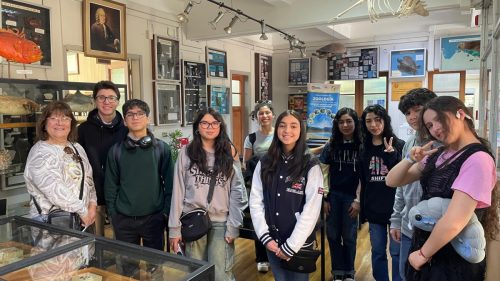
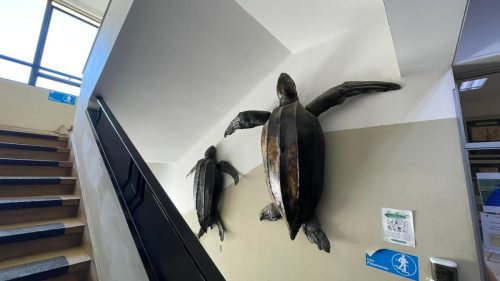
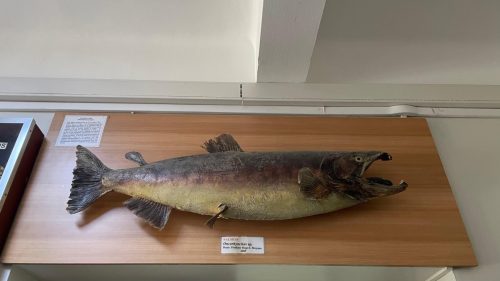
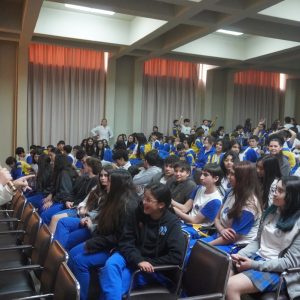
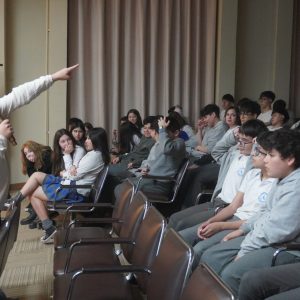
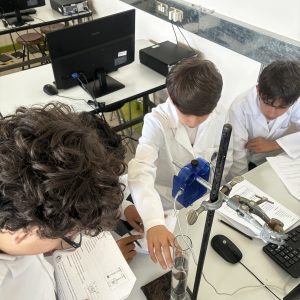
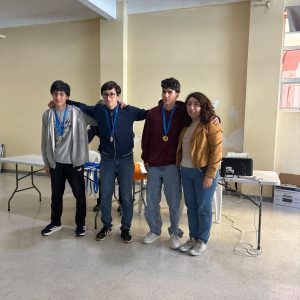
After visiting the Herbarium of the University of Concepción, our field trip continued with a second learning experience at the UdeC Zoology Museum, a space dedicated to the study, classification, and preservation of animal biodiversity.
This part of the visit allowed us to look at living organisms from a different perspective. While our current unit in the ICT Extracurricular Class and the Ecobrigade has focused mainly on plant cultivation, propagation, and digital records, the Zoology Museum helped us understand that observation, classification, and documentation are also essential when studying animals and ecosystems.
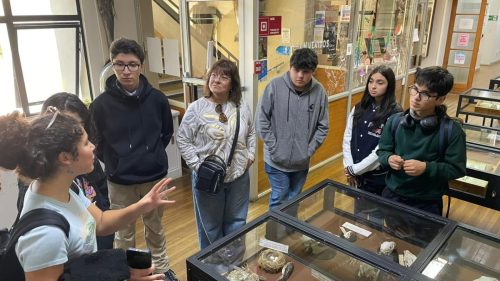
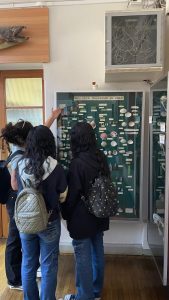
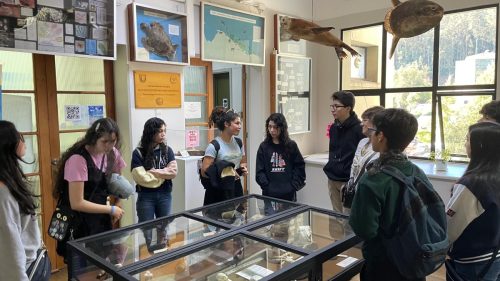
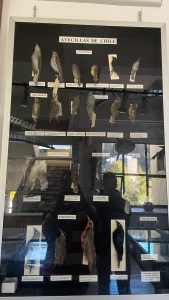
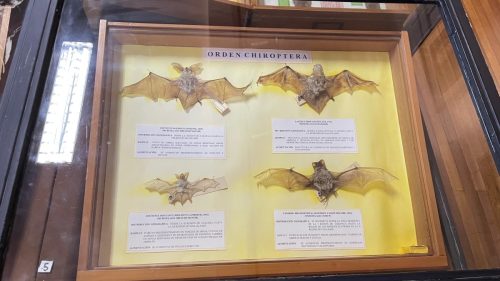
During the tour, we explored different biological collections and learnt how animal species are organised according to their characteristics. This connected directly with the idea of taxonomy, which helps scientists classify living beings, recognise similarities and differences, and understand the diversity of life. In this way, the visit expanded our work beyond the greenhouse and helped us see how scientific knowledge is built through careful observation and organised information.
The Zoology Museum belongs to the Faculty of Natural and Oceanographic Sciences at the University of Concepción. According to its official information, the museum currently holds 20 biological collections, with more than 800,000 specimens representing 15,060 native and exotic species. These collections are not only important for research, but also for education, conservation, and the study of biodiversity.
A very special part of this experience was being accompanied by Belén Oyanadel Alfaro, a former student of Colegio Concepción who is currently studying Marine Biology at the same faculty. Belén guided us during the tour and helped us connect what we were observing with university-level scientific learning. Her presence also made the visit more meaningful, as it showed us how a former student from our school community is now developing her path in the field of science.
For our class, this visit was a way to understand that digital literacy and environmental education can also be connected to museums, collections, and scientific communication. Just as we organise evidence from our greenhouse work through digital tools, scientific collections also require order, records, labels, and clear information so that knowledge can be preserved and shared.
This second stop of our field trip reminded us that biodiversity can be studied in many ways. From plants to animals, each species tells part of a larger story about ecosystems, adaptation, conservation, and the responsibility we have towards the natural world.
Article written by the ICT team; edited and enhanced with AI support.