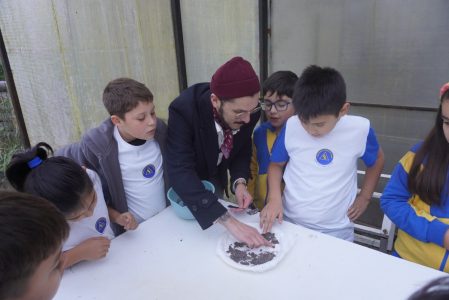
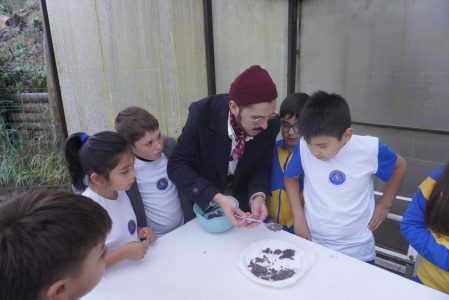
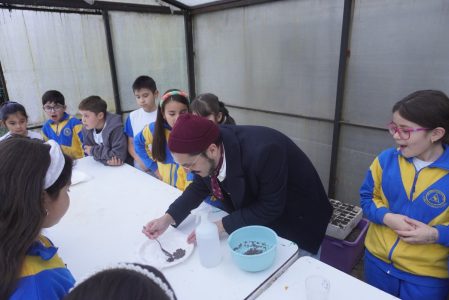
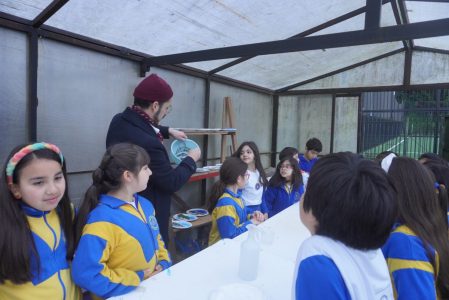
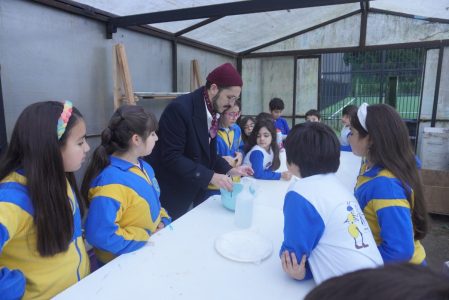
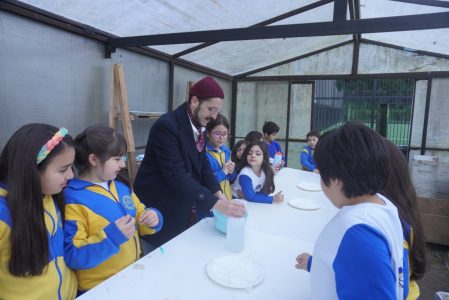
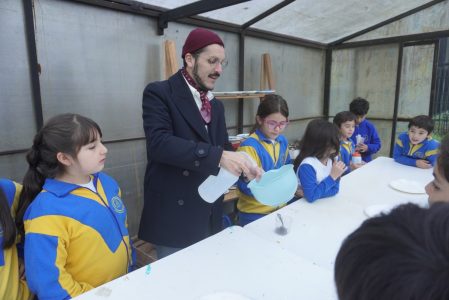
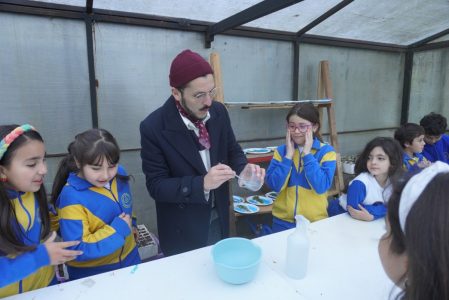
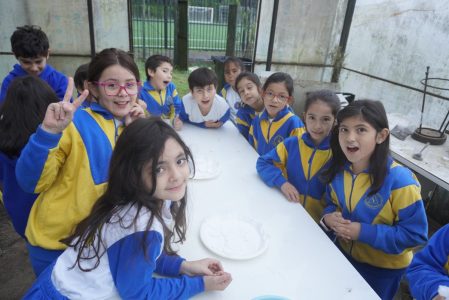
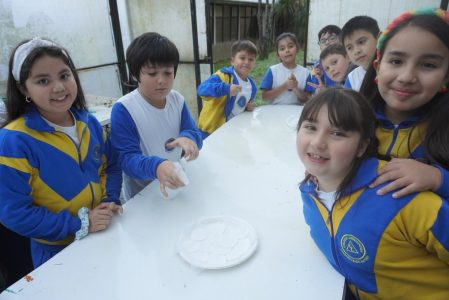
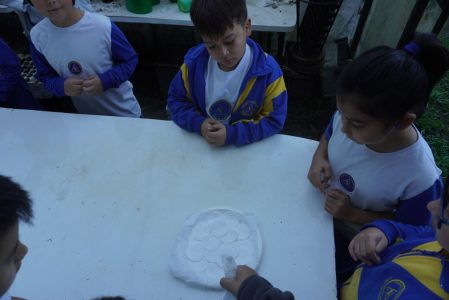
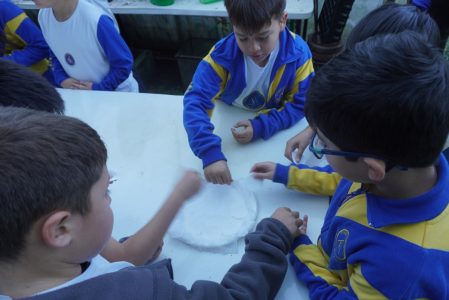
Students from 3rd grade C took part in a hands-on learning experience focused on the process of seed germination, as part of an articulated activity between the Natural Science subject from the Junior Area and the English Immersion Program.
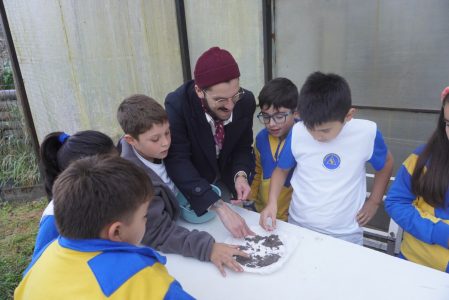
The activity was developed during the Natural Science class, led by Mr. Rodrigo Vega, and articulated through the English Immersion Program led by Mr. Marcos Riveros, creating a space where English becomes part of the learning process in a natural and meaningful way.
This experience is connected to the Life Sciences unit, where students are currently exploring how plants grow, what they need to develop, and their importance as living organisms and sources of food. Through this activity, these ideas were approached through direct observation and experimentation.
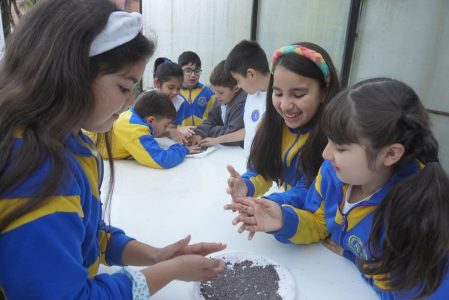
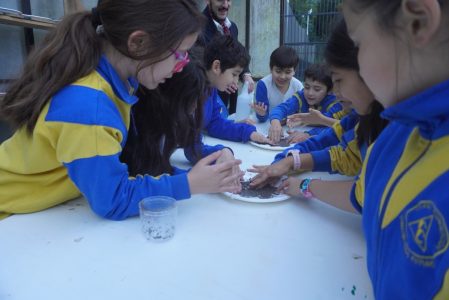
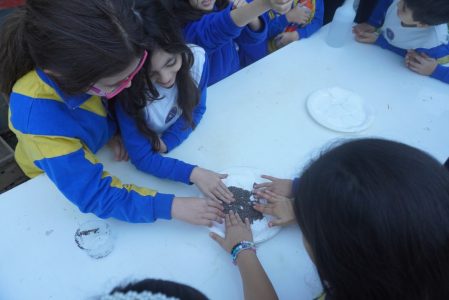
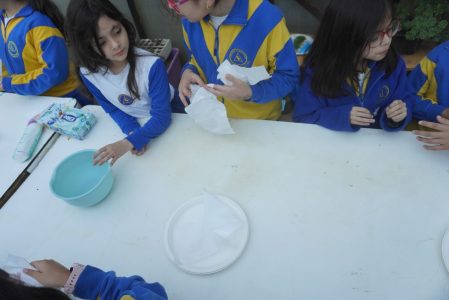
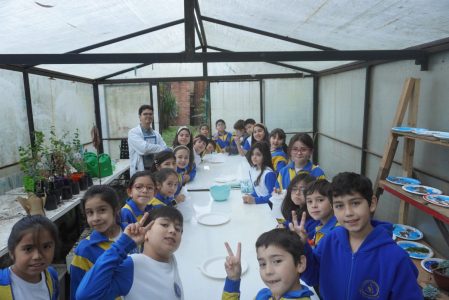
The class took place in the school greenhouse, where students carried out an experimental activity based on the germination of chia seeds, using simple materials such as a plate, cotton, and water. As they worked, they observed the seeds, prepared the base for germination, and identified key conditions such as light, water, and soil as essential elements for plant growth.
Throughout the experience, students interacted in English in a natural and contextualised way, responding to guiding questions such as “What do plants need to grow?”, “What do you see?”, and “What will happen next?”. These moments supported observation, prediction, and reflection, while reinforcing English as a tool for learning. The activity closed with a shared reflection, reinforcing the idea that seeds are the starting point of the plant life cycle and that plants play an essential role in our daily lives.
This experience will continue over the coming weeks, as students observe the growth of their seeds. Once the chia sprouts have developed, they will be used in a simple culinary preparation, allowing students to connect their learning with the concept of edible plants in a concrete and meaningful way.
Through experiences like this, learning becomes something students can see, touch, and connect with, while English is used as a natural part of the process, supporting both areas in a meaningful way.