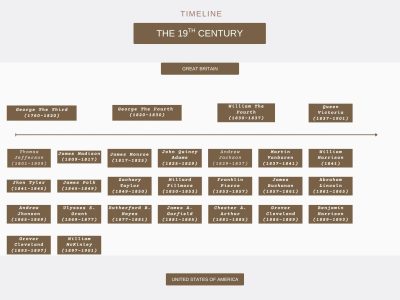
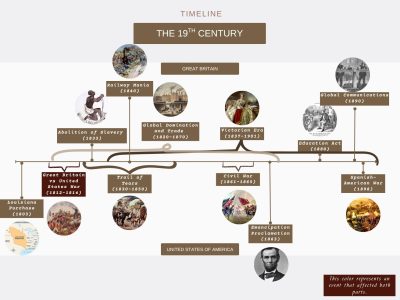
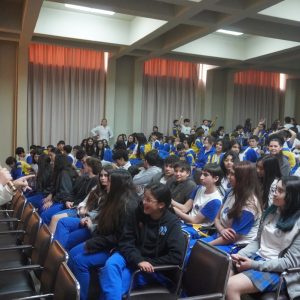
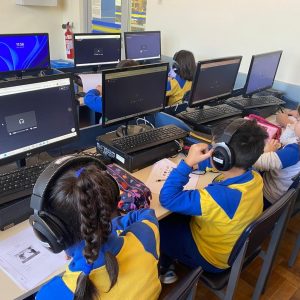
As part of the activities developed in our Book Club, students from 2nd grade Senior Area worked on a collaborative timeline about the 19th century, using Canva as a digital tool to organise and present their ideas in a visual way.
This activity was connected to the first sessions of the reading process, where students began exploring the historical and social context behind Pride and Prejudice, Sense and Sensibility, and Little Women. Through this work, Rocío Oyarzúa Paredes, Benjamín Sáez Chavez, and Mariana González Pavez were able to look at important events from Great Britain and the United States, and reflect on how these contexts influenced people’s lives, especially women’s roles, family expectations, social class, work, and opportunities.
During the activity, students discussed elements such as British society during the Regency and Victorian periods, the American Civil War, the abolition of slavery, the development of the railway, education, global communications, and other historical processes that marked the century. These events helped students understand that literature is not separated from history, but is deeply connected to the social realities, conflicts, and ideas of its time.
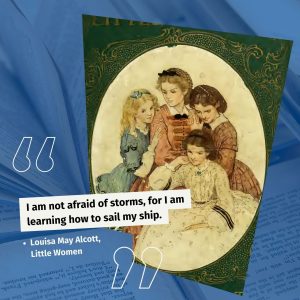
The timeline also helped students connect historical context with the novels they are reading. For example, they analysed how inheritance and social expectations affected women in Jane Austen’s world, particularly through the idea of the “entail”, which left families such as the Bennets and the Dashwoods in a vulnerable position. They also contrasted this with the reality of the March sisters in Little Women, whose family life is shaped by work, modest economic conditions, and the absence of their father during the war.
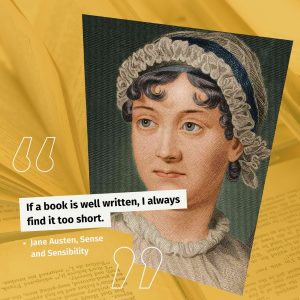
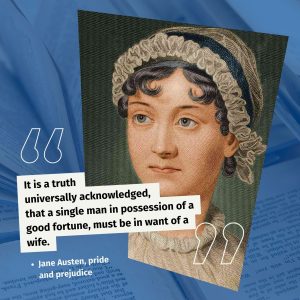
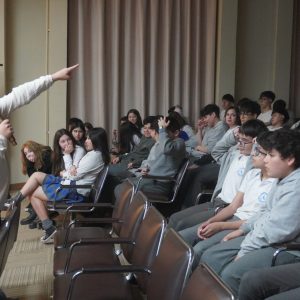
In the following session, students continued this reflection by discussing identity, first impressions, and how characters behave depending on the social context around them. This allowed them to move from historical information to literary analysis, considering how authors such as Jane Austen and Louisa May Alcott use narrative voice, characterisation, and social observation to represent the world of their characters.
This collaborative work allowed students to combine research, reading, design, and discussion in English, while developing a deeper understanding of the novels and the period in which they are connected. We invite our school community to see the timeline attached to this publication and appreciate the thoughtful work created by our Book Club students.
Through activities like this, the Book Club continues to create meaningful spaces where students can read, think, discuss, and use English as a tool to connect literature with history, culture, and their own reflections.