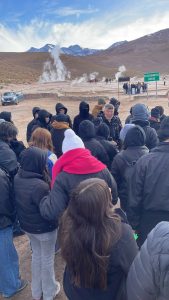
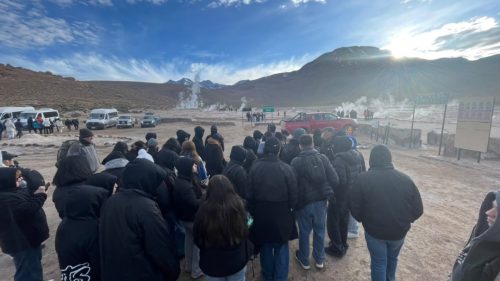
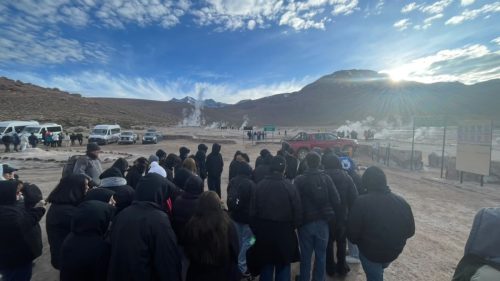
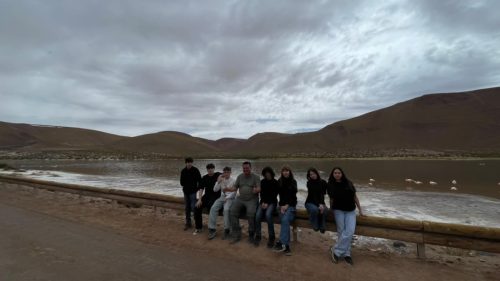
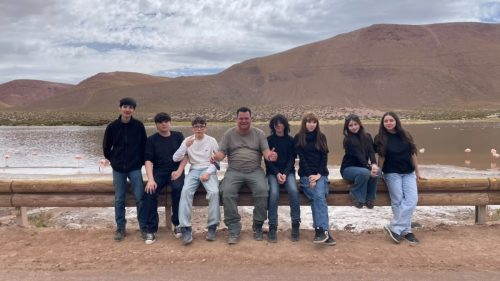
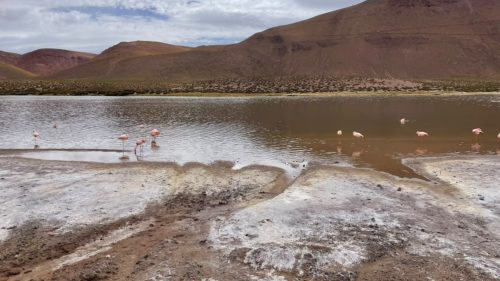
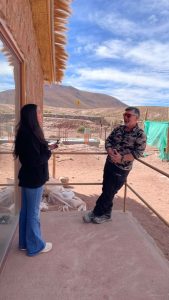
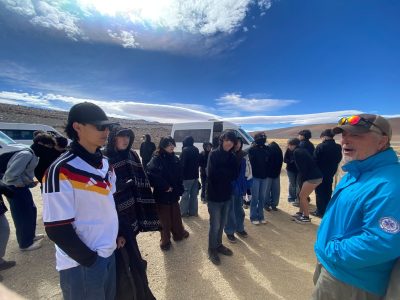
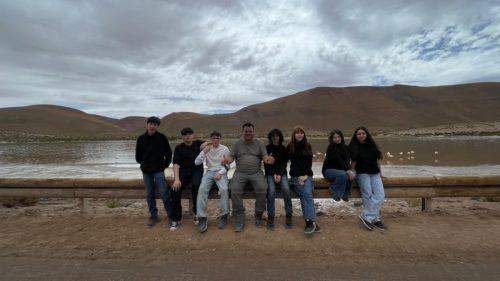
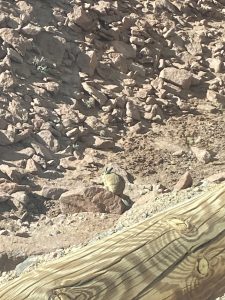
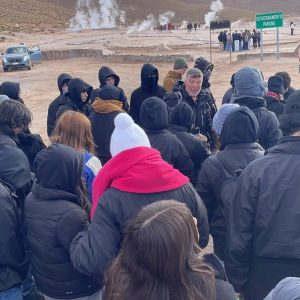
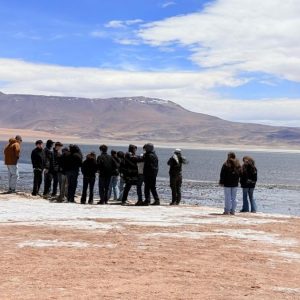
Our final day in San Pedro de Atacama, on Friday, October 23rd, began long before sunrise. With an early departure towards the Geysers del Tatio, our students set out to discover one of the most extraordinary natural environments in northern Chile, bringing our educational journey to a memorable conclusion.
Located more than 4,300 metres above sea level, El Tatio is one of the world’s highest geothermal fields. Surrounded by the Andes, this remarkable landscape is known for the columns of steam that rise from the ground, particularly during the cold early morning hours. The contrast between the freezing mountain air and the heat emerging from beneath the Earth’s surface creates a fascinating natural spectacle.
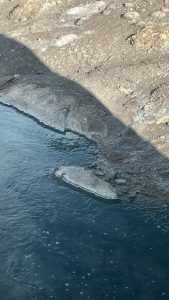
For our students, this visit offered another opportunity to connect scientific knowledge with direct observation. The geysers demonstrate the powerful geothermal activity taking place beneath the Earth’s surface, where underground water is heated and can emerge as steam and hot water. Experiencing this environment provided a closer understanding of geological processes and the extraordinary natural forces that have shaped the Andean landscape.
The excursion also highlighted the importance of appreciating and protecting these unique environments. From the extreme altitude and low temperatures to the delicate geological features of the area, El Tatio reminded us of the diversity of Chile’s natural heritage and the responsibility we share in preserving it.
Following the morning excursion and breakfast along the route, the group returned to San Pedro de Atacama for a final lunch together before travelling to Calama Airport. After several days of exploration, the journey home marked the end of an experience filled with new discoveries, shared challenges, friendships, and unforgettable moments.
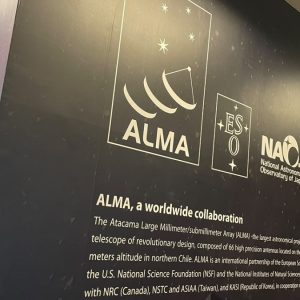
Throughout our time in Atacama, we had the opportunity to explore landscapes that many of us had previously encountered only through photographs, textbooks, or classroom discussions. From the remarkable geological formations of the desert to the scientific discoveries connected with astronomy, each experience offered a different way of understanding the natural and cultural richness of northern Chile.
As we bring this series of articles to a close, we would like to recognise all the students who participated in this educational journey, as well as the teachers who accompanied and supported them throughout the experience. A special recognition also goes to the ICT Extracurricular Class, whose participation in documenting the trip has allowed us to share these moments with our school community.
With this final article, our San Pedro de Atacama 2026 series comes to an end. We hope that, through our stories and photographs, you have enjoyed discovering a little of what made this journey so meaningful for everyone involved.
Thank you for following our adventure and sharing these experiences with us. The journey may have ended, but the memories and everything we learnt will remain with us!
Article written by the ICT Team
Edited and enhanced with AI support