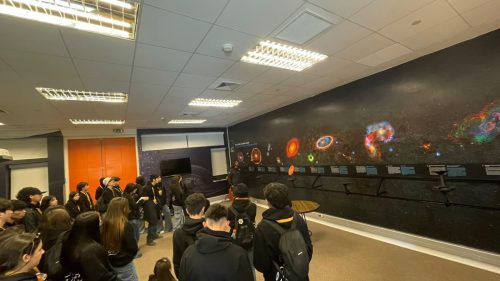
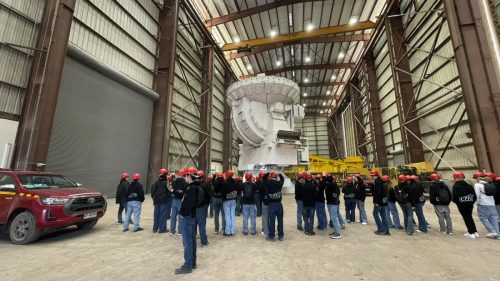
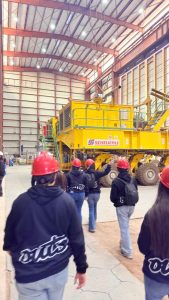
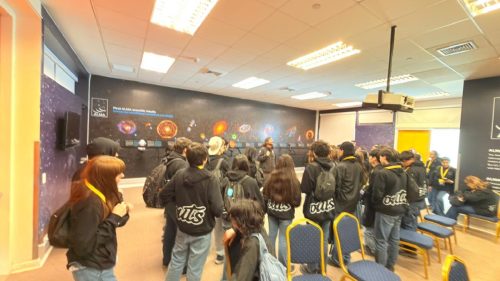
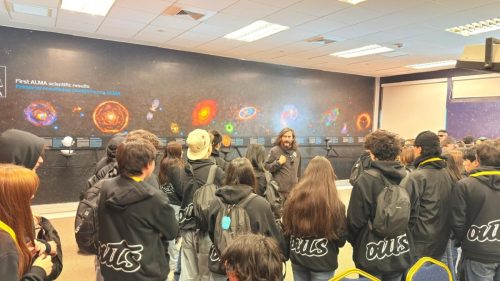
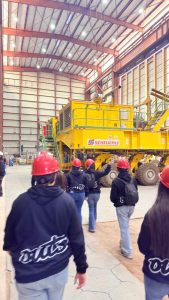
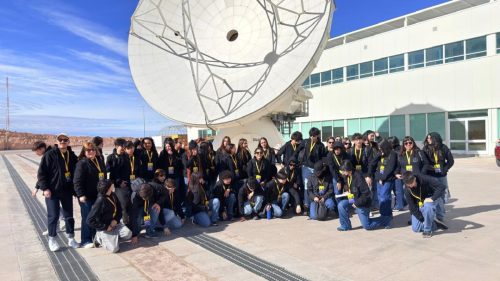
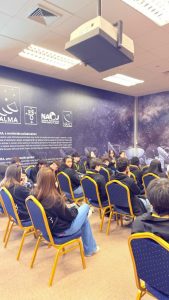
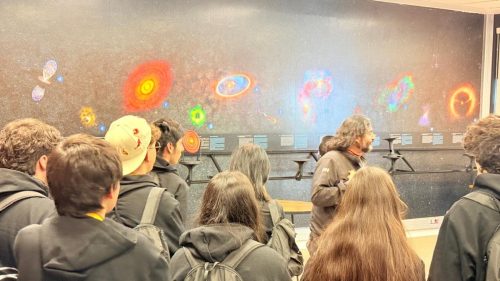
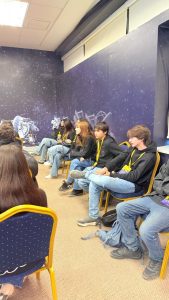
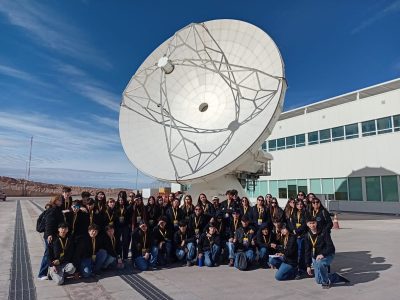
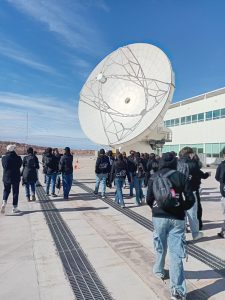
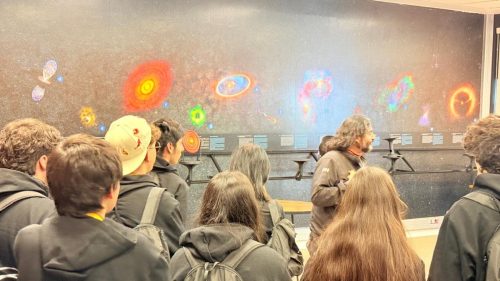
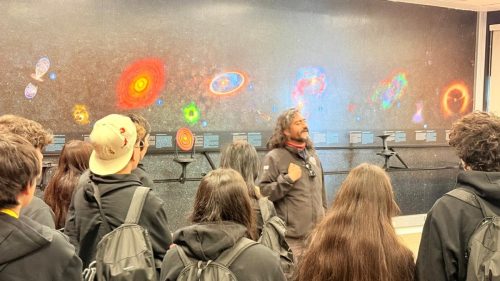
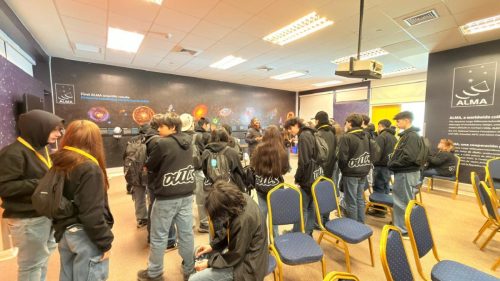
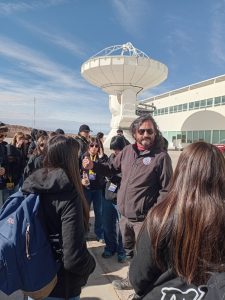
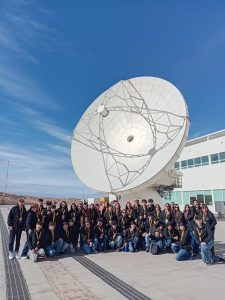
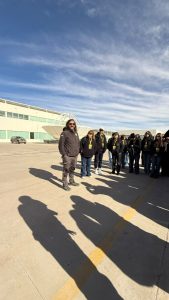
How do scientists discover how planets are born? How can we study galaxies millions of light-years away? These questions took on a whole new meaning on Wednesday, October 21st, as our students continued their educational journey through San Pedro de Atacama with a visit to one of the world’s most important astronomical observatories: ALMA.
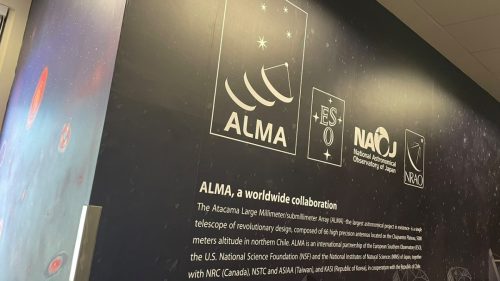
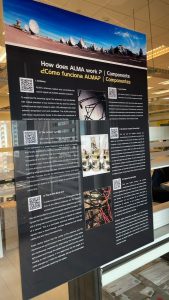
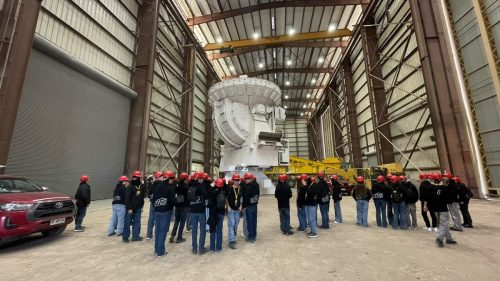
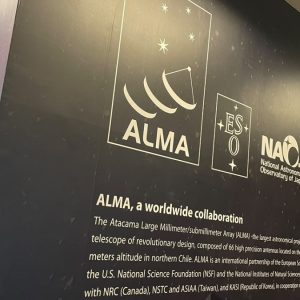
Our second day began with a visit to the Atacama Large Millimeter/submillimeter Array (ALMA), an international astronomical observatory located in northern Chile. With 66 high-precision antennas working together as an enormous radio telescope, ALMA allows scientists to study parts of the universe that cannot be observed with ordinary optical telescopes. Its technology detects signals from cold gas and dust in space, helping astronomers investigate how stars, planets, and galaxies form and evolve.
The observatory has contributed to some truly remarkable scientific discoveries. In 2014, ALMA captured extraordinarily detailed images of the material surrounding a young star called HL Tauri, revealing rings and gaps that provided important clues about how planets begin to form. ALMA also played a key role in the international Event Horizon Telescope collaboration, which achieved a historic milestone in 2019 by producing the first image of a black hole.
For our students, visiting an institution connected to discoveries of this magnitude was a special opportunity to appreciate the importance of scientific research and technological innovation. It also highlighted Chile’s remarkable contribution to international astronomy and the reasons why the Atacama Desert, with its exceptional atmospheric conditions, has become one of the most important locations in the world for observing the universe.
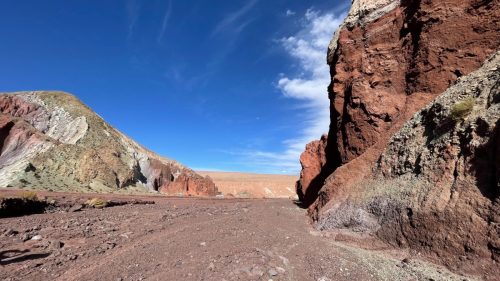
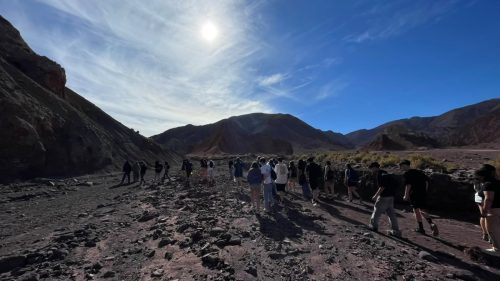
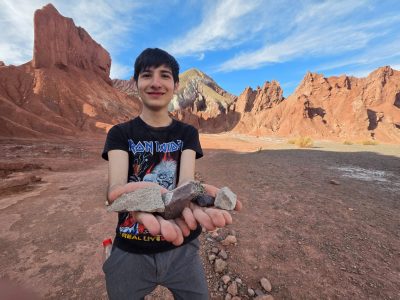
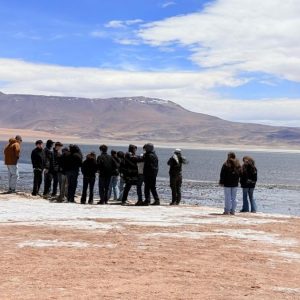
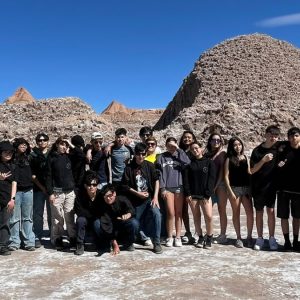
The day’s exploration continued in the afternoon with a visit to Valle del Arcoíris, located in the Domeyko Mountain Range. Famous for its extraordinary combinations of red, green, white, and ochre tones, this landscape offered a striking contrast to the astronomical world explored earlier in the day. Here, the focus shifted from distant galaxies to the geological processes that have shaped our own planet over millions of years.
The excursion also included Yerbas Buenas, a site known for its ancient petroglyphs. These rock carvings offered another perspective on the region, connecting its natural landscapes with the history and cultural heritage of the people who inhabited the Atacama Desert long before our time.
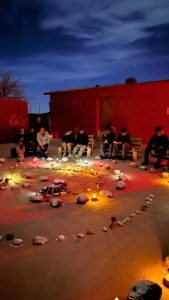
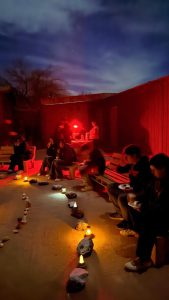
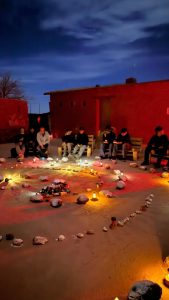
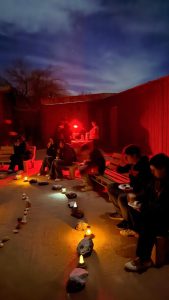
As night fell, the group participated in an astronomical tour, bringing the day’s experiences full circle. After exploring the science and technology behind the study of the universe in the morning, students had another opportunity to connect with astronomy beneath the remarkable skies of northern Chile.
From cutting-edge astronomical research to colourful mountains, ancient rock art, and the night sky, our second day in San Pedro de Atacama connected science, technology, geography, and cultural heritage in one unforgettable experience. It reminded us that learning can take us in many directions, from understanding the ground beneath our feet to exploring the most distant corners of the universe.
We invite our school community to discover the highlights of this extraordinary day through our photographs and continue following the ICT Team as we share more experiences from San Pedro de Atacama!
Article written by the ICT Team
Edited and enhanced with AI support