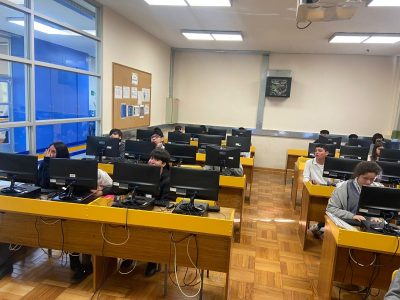
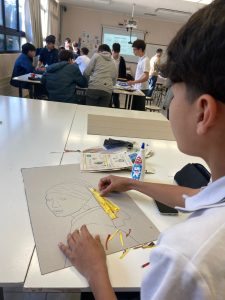
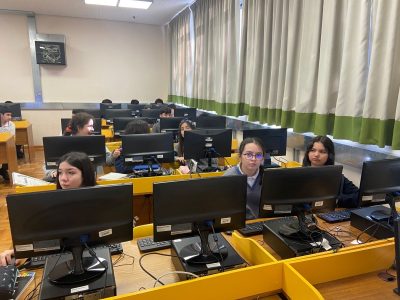
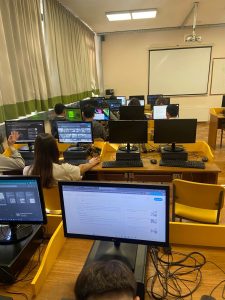
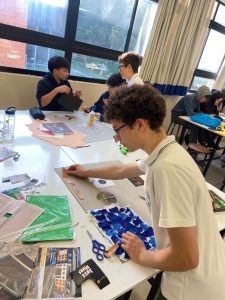
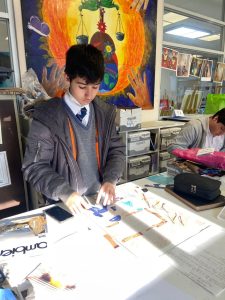
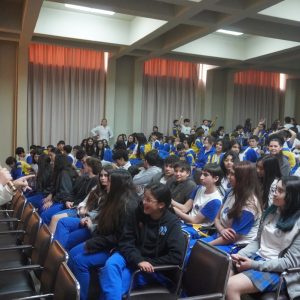
As part of the ongoing interdisciplinary project “80 Years Since World War II: Art in Times of War,” our 8th grade students are developing a unique artistic and historical exploration in their Arts class, led by Ms. Sonia González. Through this initiative, students are engaging with one of the most striking cultural consequences of the Second World War: the systematic looting of art by the Nazis. The activity invites them to analyze and recreate world-famous masterpieces that were stolen during the war, combining historical inquiry, visual literacy, and artistic technique in a process that is both creative and reflective.
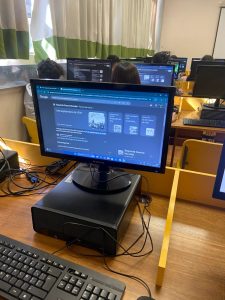
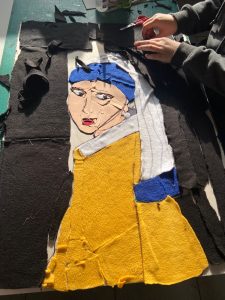
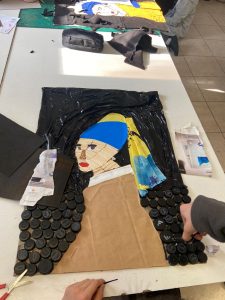
During the first stage, students conducted pictorial analyses of emblematic works such as Portrait of Adele Bloch-Bauer I by Gustav Klimt, The Astronomer, The Art of Painting, and Girl with a Pearl Earring by Johannes Vermeer, as well as The Painter on the Road to Tarascon by Vincent van Gogh. Through guided discussions and visual analysis, they explored the symbolism, color, and composition of each piece, reflecting on how art can embody both cultural identity and collective memory. These analyses served as the foundation for their creative reinterpretations, allowing students to approach the artworks not only as painters but also as historians.
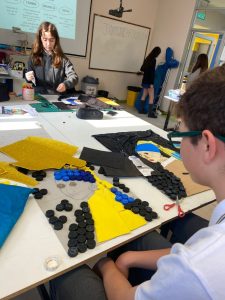
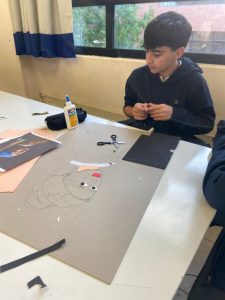
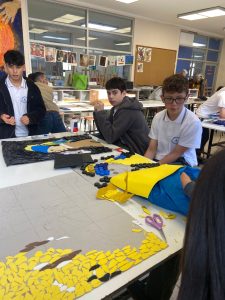
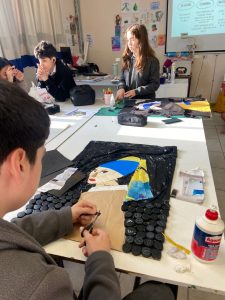
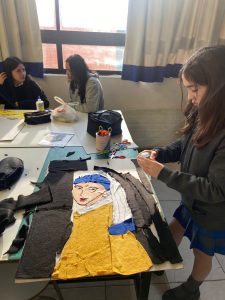
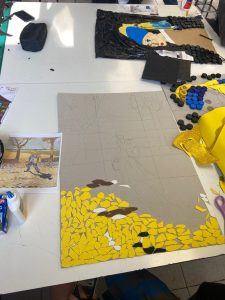
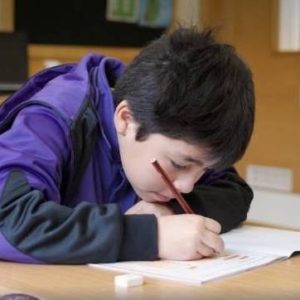
The second phase involves the recreation of each chosen piece, using recycled and mixed materials to symbolize reconstruction, recovery, and the lasting value of art in times of conflict. Students are now in the midst of this process, experimenting with technique, texture, and meaning while connecting their visual expression to historical understanding. “This project allows students to understand that art is not only beauty, it’s testimony, memory, and resistance,” shared Mr. Marcos Riveros, from the English Immersion Program. “Each recreation carries the story of loss, recovery, and human resilience.”
This activity forms part of a larger ABP (Project-Based Learning) initiative coordinated across the Departments of History, Art, and the English Immersion Plan. It exemplifies how the school promotes bilingual and interdisciplinary learning, where students experience knowledge in context, purpose, and creation.
As the recreations take shape, this mid-project milestone celebrates their progress and dedication. A final gallery showcasing the completed works will soon be available, highlighting how art, history, and education can come together to keep memory alive.